Car Lockout Service
Read this to learn which details to provide about your vehicle's current status and location before requesting assistance with a locked door or trunk.
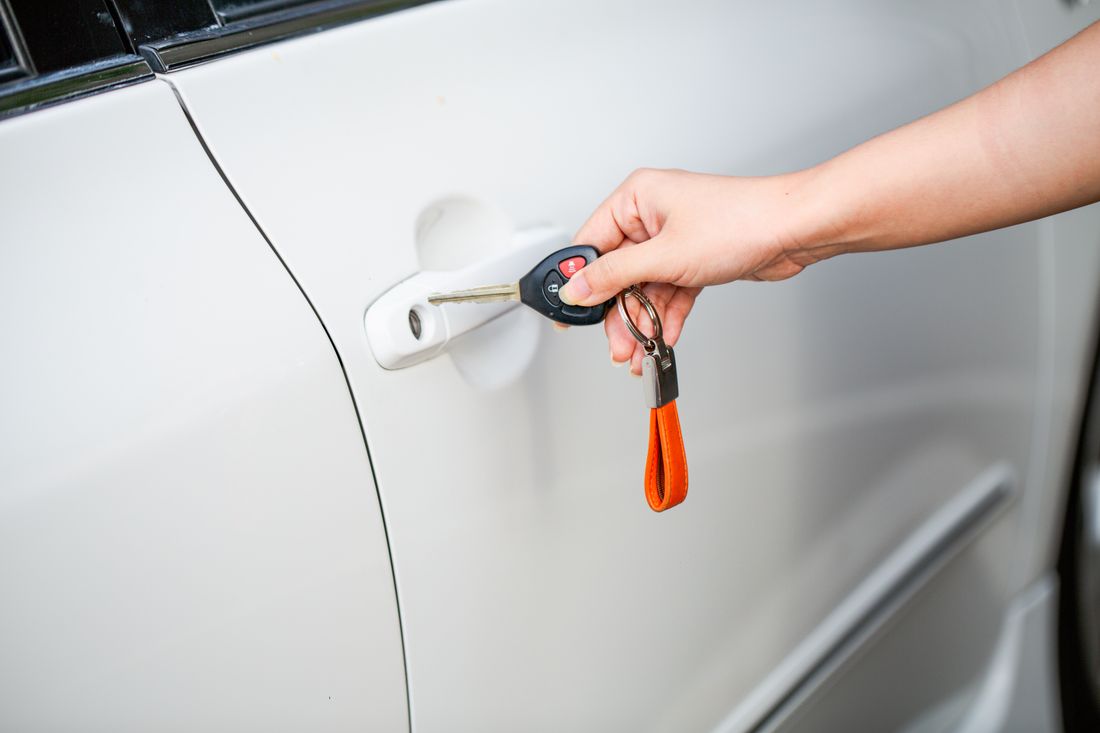
Securing your home, business, or vehicle starts with understanding the hardware currently in place. Whether you are addressing an unexpected lockout, replacing a missing key, or simply managing who has access to your property, careful preparation ensures a smoother resolution. By documenting specific details about your locks and key systems, you enable a more accurate assessment of the work required. This resource hub is designed to help you navigate these common security needs by focusing on practical, informed steps tailored to your specific situation and equipment.
A service-area guide, not a separate local office. Confirm availability and arrangements for your location and service needs.
Call (727) 877-8118 · Request service
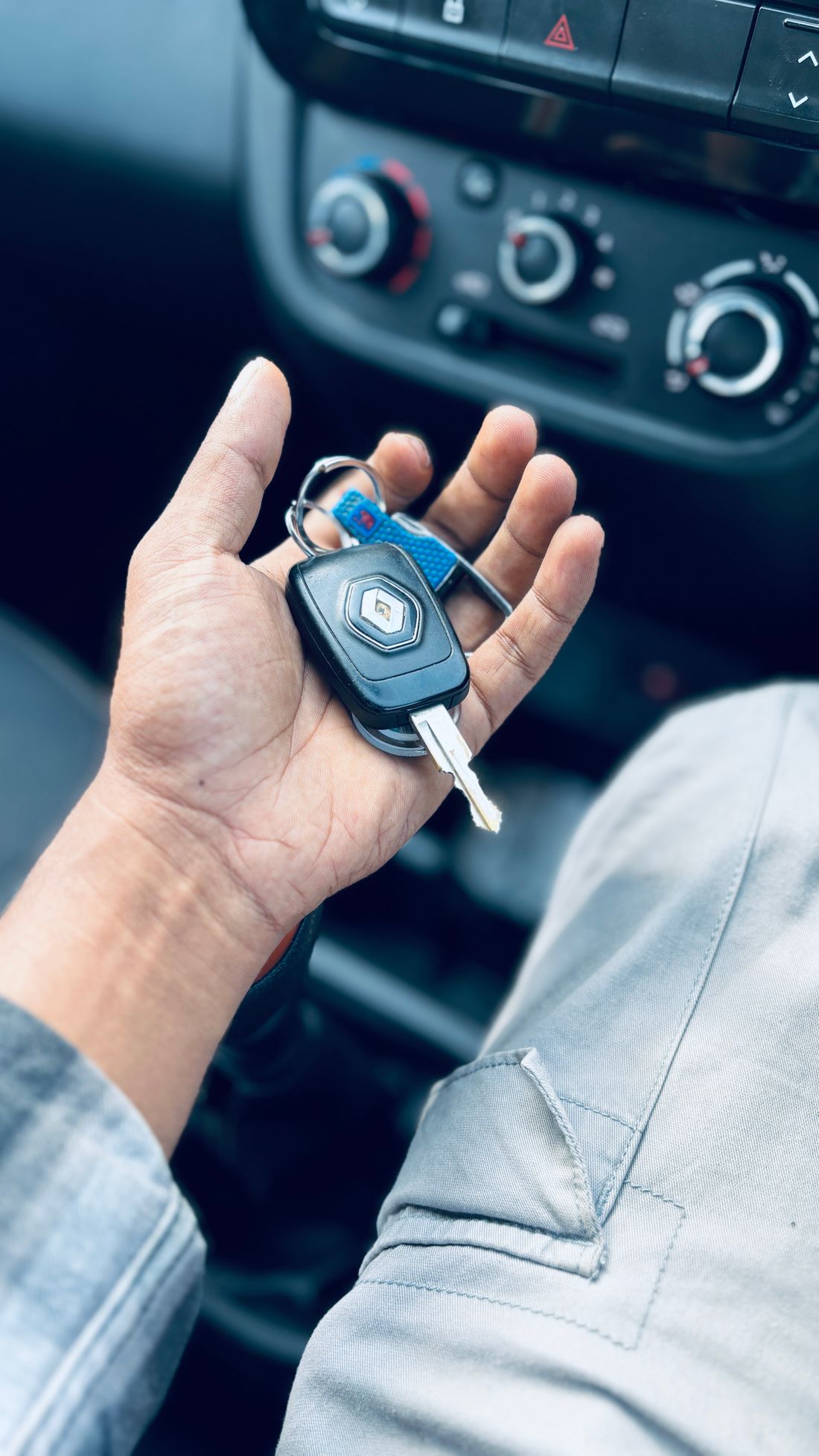
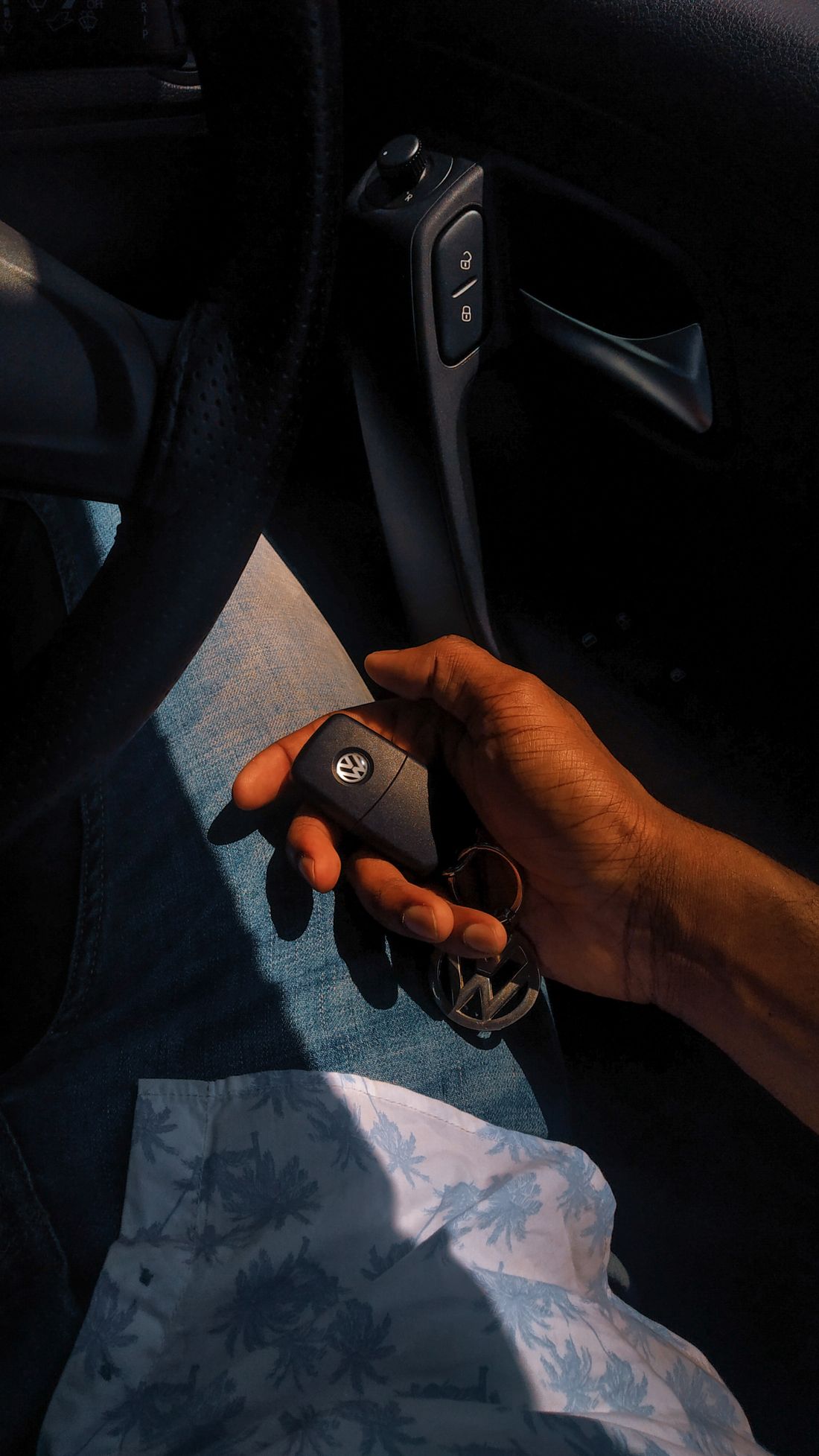
Vehicle access and ignition systems vary significantly, even within the same brand and model year. Whether you are dealing with a traditional metal key or a sophisticated proximity fob, the most effective service strategy begins by verifying the specific generation and starting technology of your vehicle. Identifying whether a spare key exists or if all copies are lost allows for a more focused discussion regarding entry options, blade cutting, and transponder programming, ensuring that the chosen service path directly addresses the root cause of the issue.
Read this to learn which details to provide about your vehicle's current status and location before requesting assistance with a locked door or trunk.
Discover how to identify the difference between a simple metal blade and an electronic transponder so you can prepare the right information for replacement work.
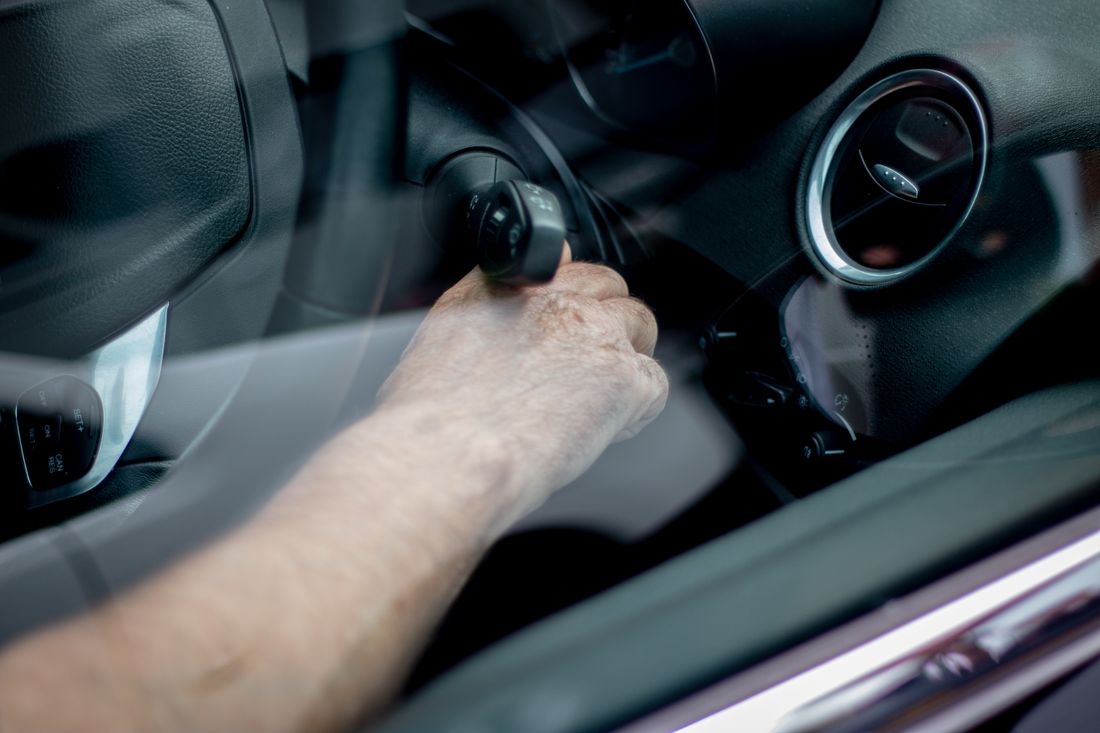
Understand why assessing the specific mechanical symptoms of a sticking key or failing cylinder is the first step toward effective ignition repair or replacement planning.
Review the factors that determine if your current key is a viable candidate for duplication, such as blade condition, blank availability, and electronic authorization requirements.

Get a clear overview of the assessment process for automotive service requests, emphasizing how to match vehicle symptoms to the correct professional support path.
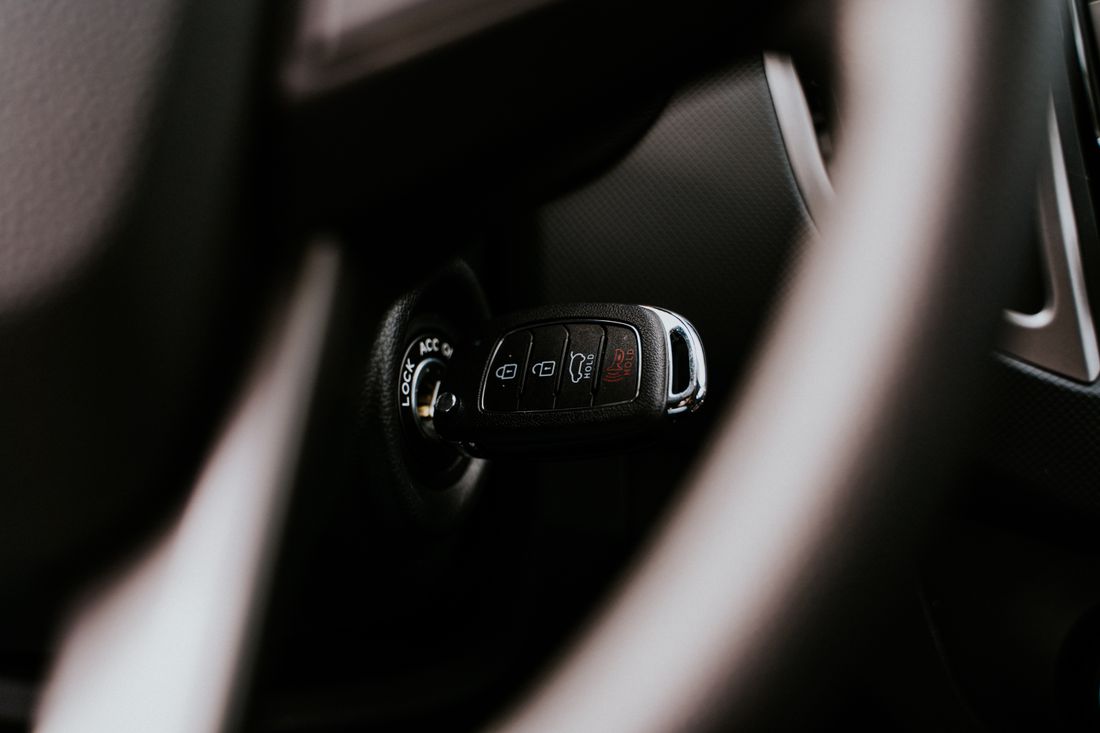
Protecting a home relies on the integrity of your exterior locks and the control of issued keys. If you find yourself locked out, the priority is identifying the most non-intrusive entry point. For those looking to rekey, the process involves cataloging every cylinder that currently accepts your keys and deciding on a distribution plan for new ones. Before any adjustments are made, assessing whether your hardware binds or functions smoothly helps determine if a simple lock maintenance task or a full hardware replacement is truly necessary.
Learn how to differentiate between simple entry requests and situations that may indicate a need for underlying lock repairs after you are back inside.
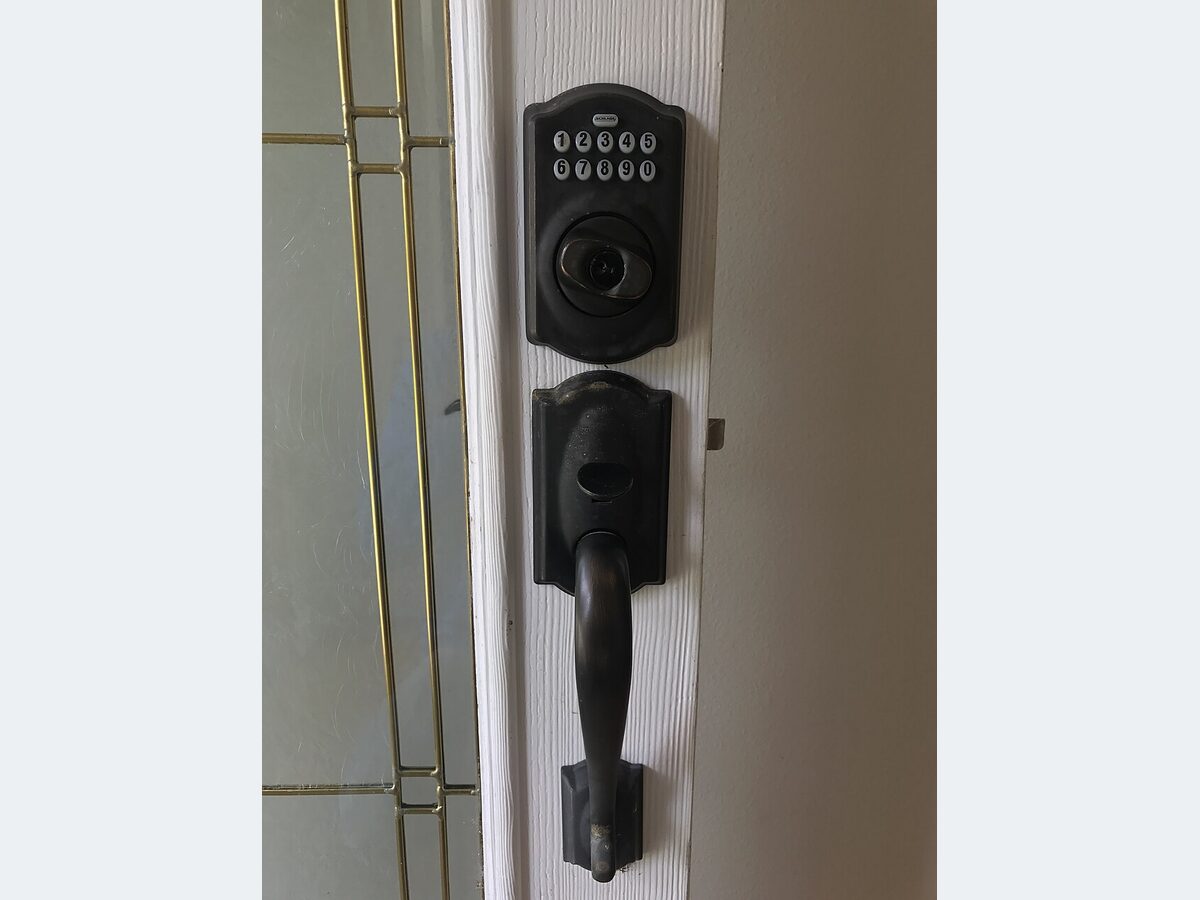
Check this guide to determine if your hardware's binding issues stem from door alignment or internal mechanical wear, which helps decide between repair or replacement.
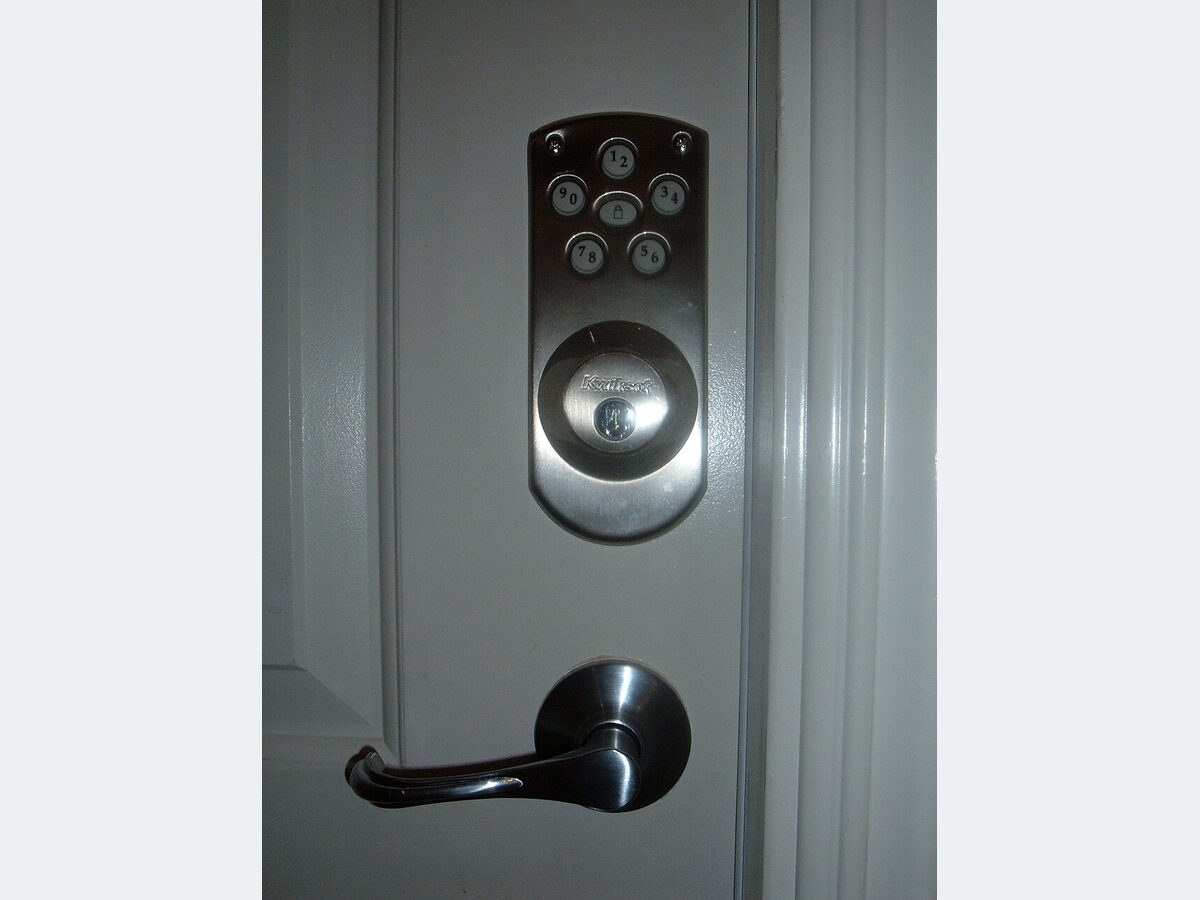
Examine the criteria for rekeying your home and learn how to manage existing hardware while effectively cycling through your current list of key holders.

Understand the typical assessment criteria used to decide whether to rekey, repair, or replace residential locks based on your home's unique access needs.

Securing a business requires balancing operational needs with robust access control. Property managers should first evaluate existing entry points to determine if high-security hardware or a master key system is appropriate for their specific flow of traffic. When an office lockout occurs, the focus must remain on verifying authorization before assessing the door’s mechanical components. Taking the time to audit your current key permissions and the condition of your cylinders allows for a strategic approach that improves both daily convenience and overall site security.
Explore the necessary preparations for property managers when auditing door hardware, key control policies, and overall access requirements for their specific commercial premises.
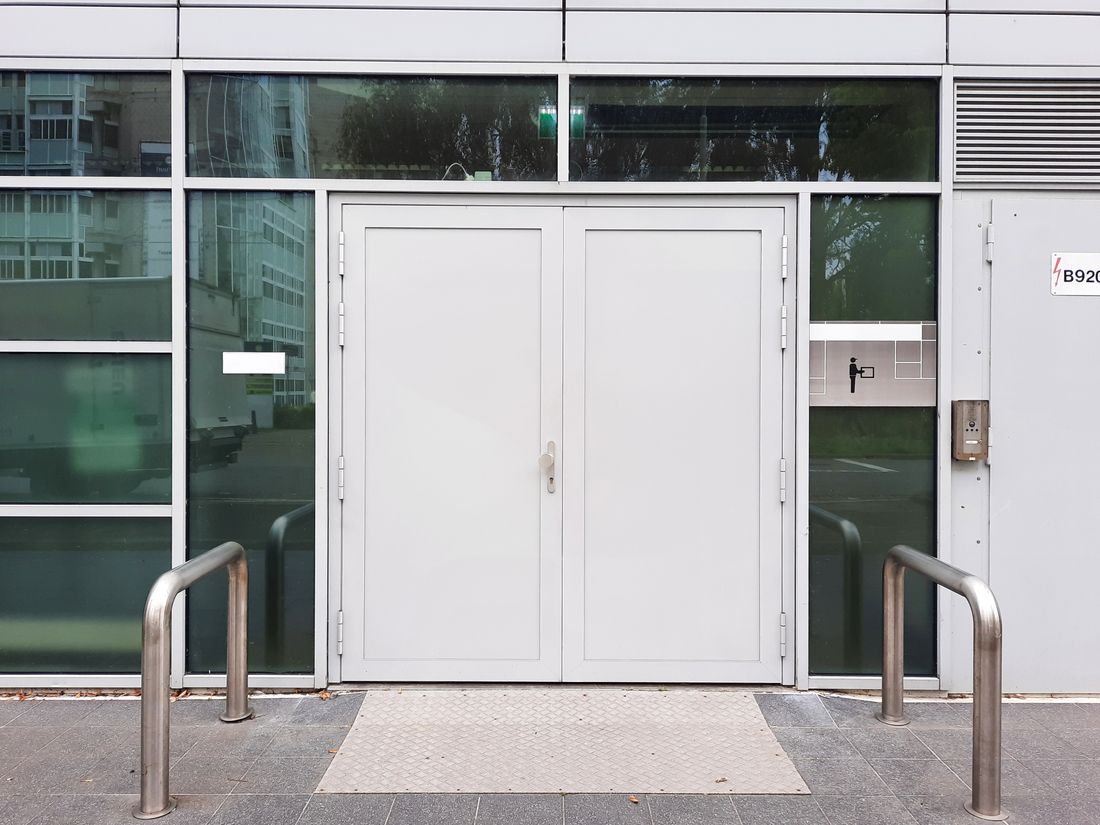
See what documentation and verification steps are typically required by building representatives to ensure a smooth, professional entry during a commercial lockout incident.

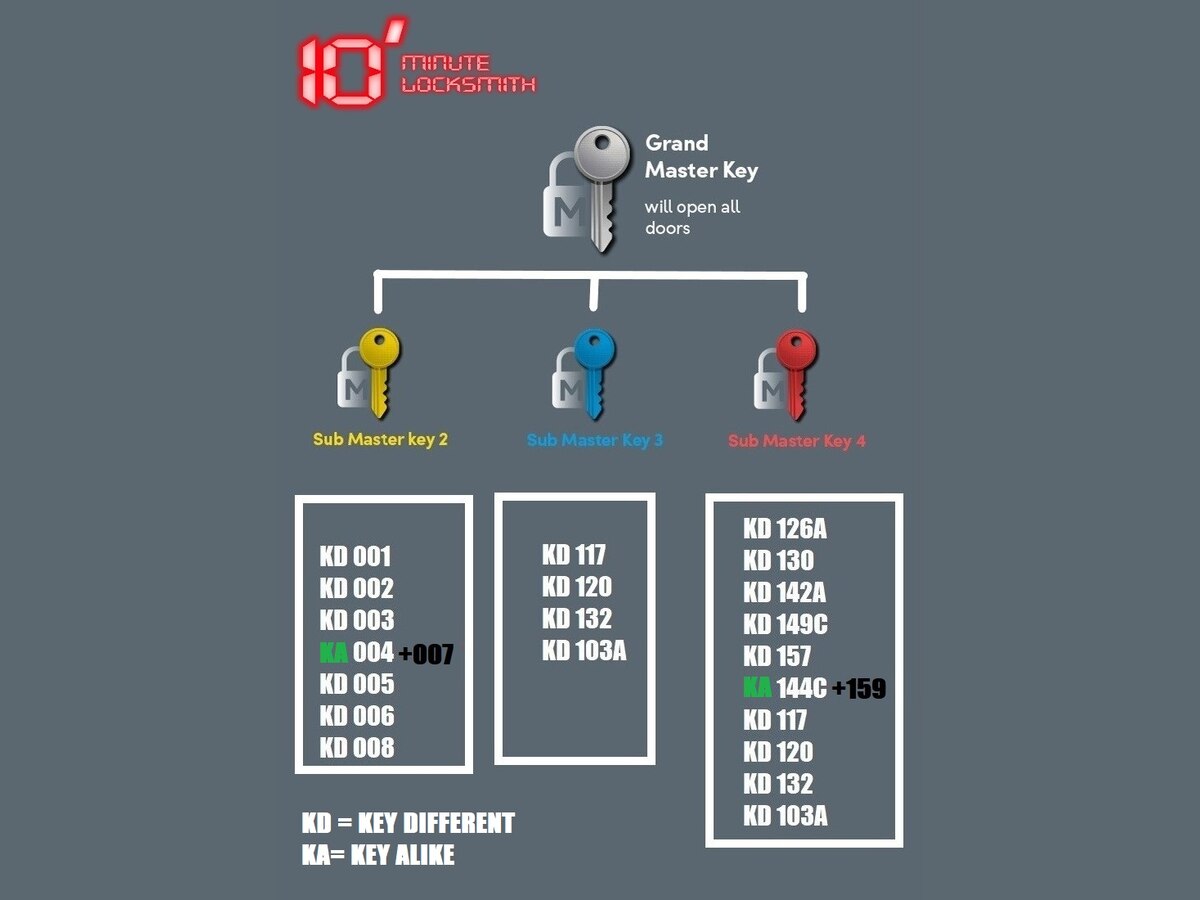
Find out how to structure access hierarchies for your building and learn which cylinder types are compatible with effective master key system implementation.
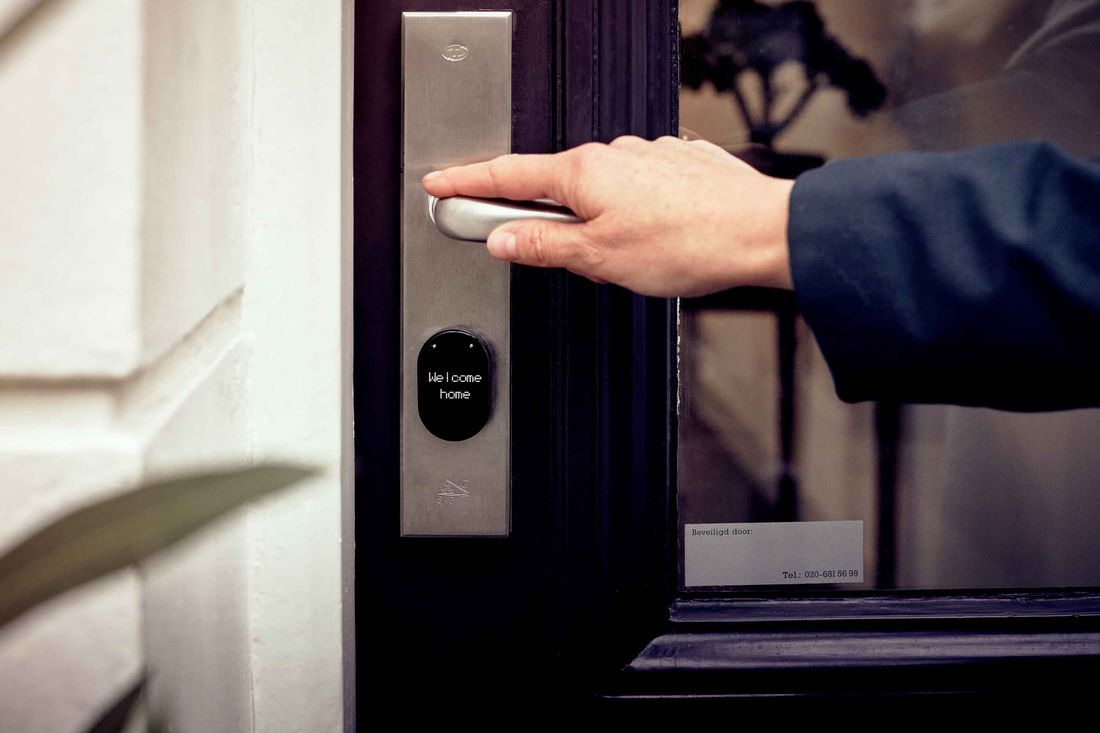
Use this guide to define your security objectives, such as durability or key control, to ensure you select the appropriate high-security lock for your entrance.
Monday–Saturday, 8am–10pm
No separate Belleair office is listed. Call us at (727) 877-8118 to confirm the proposed work and availability.
All locksmith servicesMoving forward requires a methodical approach to your security audit. Start by mapping out every physical touchpoint that requires a key, noting the manufacturer and any signs of mechanical wear. Once you have identified these high-priority areas, assess your current inventory of functional keys versus those that are missing. By documenting these details, you can distinguish between routine maintenance needs and urgent access issues. This preparation step is essential for effectively communicating your requirements and moving toward a clear, actionable resolution for your property.
Have identification and proof of authorized access ready. For vehicle work, include the year, make, model, and which key functions still work. For property work, identify the affected doors, permissions, and hardware. Call 911 first if anyone is in immediate danger.