Car Lockout Service
Read this guide to understand how your specific vehicle's design influences the techniques used to resolve an accidental lockout without compromising the door or window seals.
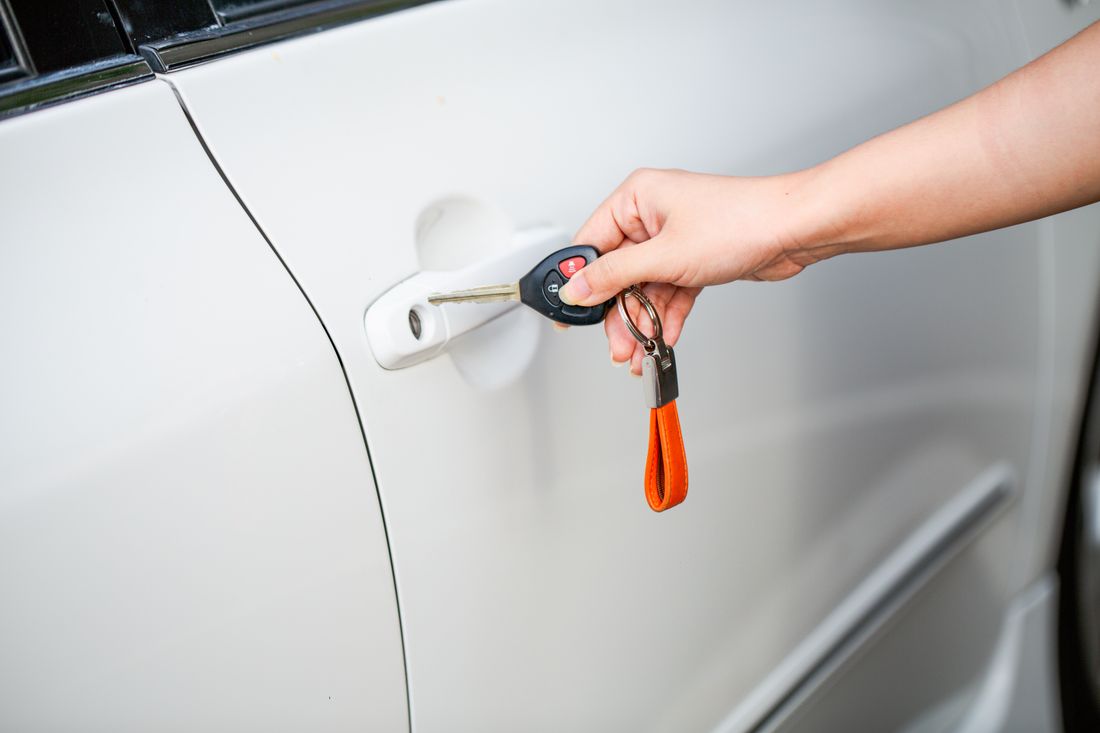
Securing property in Doctor Phillips requires understanding how access hardware functions within your unique environment. Whether you are managing a commercial suite or a private residence, the primary challenge involves identifying who maintains authority over entrance systems and who holds the rights to approve modifications. By viewing your security through an inventory-based lens—categorizing which doors, credentials, and locking mechanisms are currently in place versus what requires an upgrade—you gain clarity on how to maintain consistent control while addressing specific functional limitations in your physical layout.
A service-area guide, not a separate local office. Confirm availability and arrangements for your location and service needs.
Call (407) 477-5507 · Request service

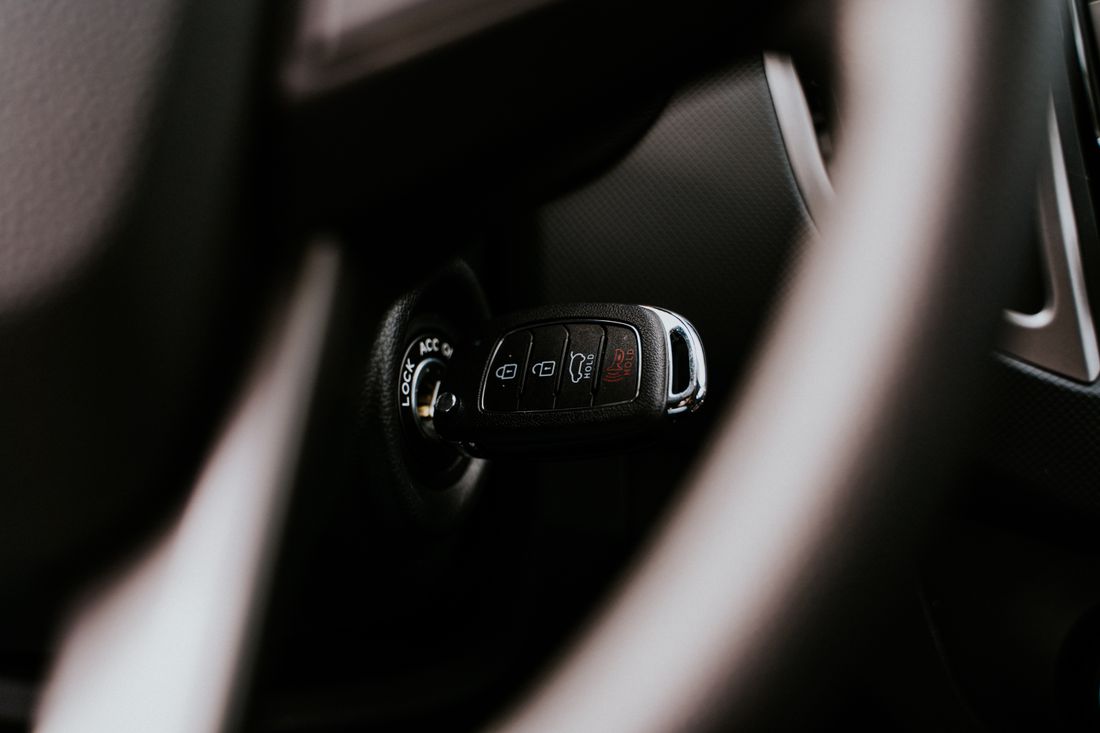
Modern vehicle security hinges on the specific relationship between the mechanical lock, the ignition configuration, and the onboard starting system. Drivers must distinguish between a simple accidental lockout, a worn cylinder requiring physical repair, and electronic issues involving proximity fobs or transponders. Because every model year utilizes unique hardware, assessing the exact symptoms—such as a key that won't turn or a missing remote—is essential to ensure that any entry attempt or key duplication process aligns with the technical specifications of your particular vehicle.
Read this guide to understand how your specific vehicle's design influences the techniques used to resolve an accidental lockout without compromising the door or window seals.
Consult this summary to learn why identifying your car’s ignition technology is the critical first step before cutting a new key or programming a replacement fob.
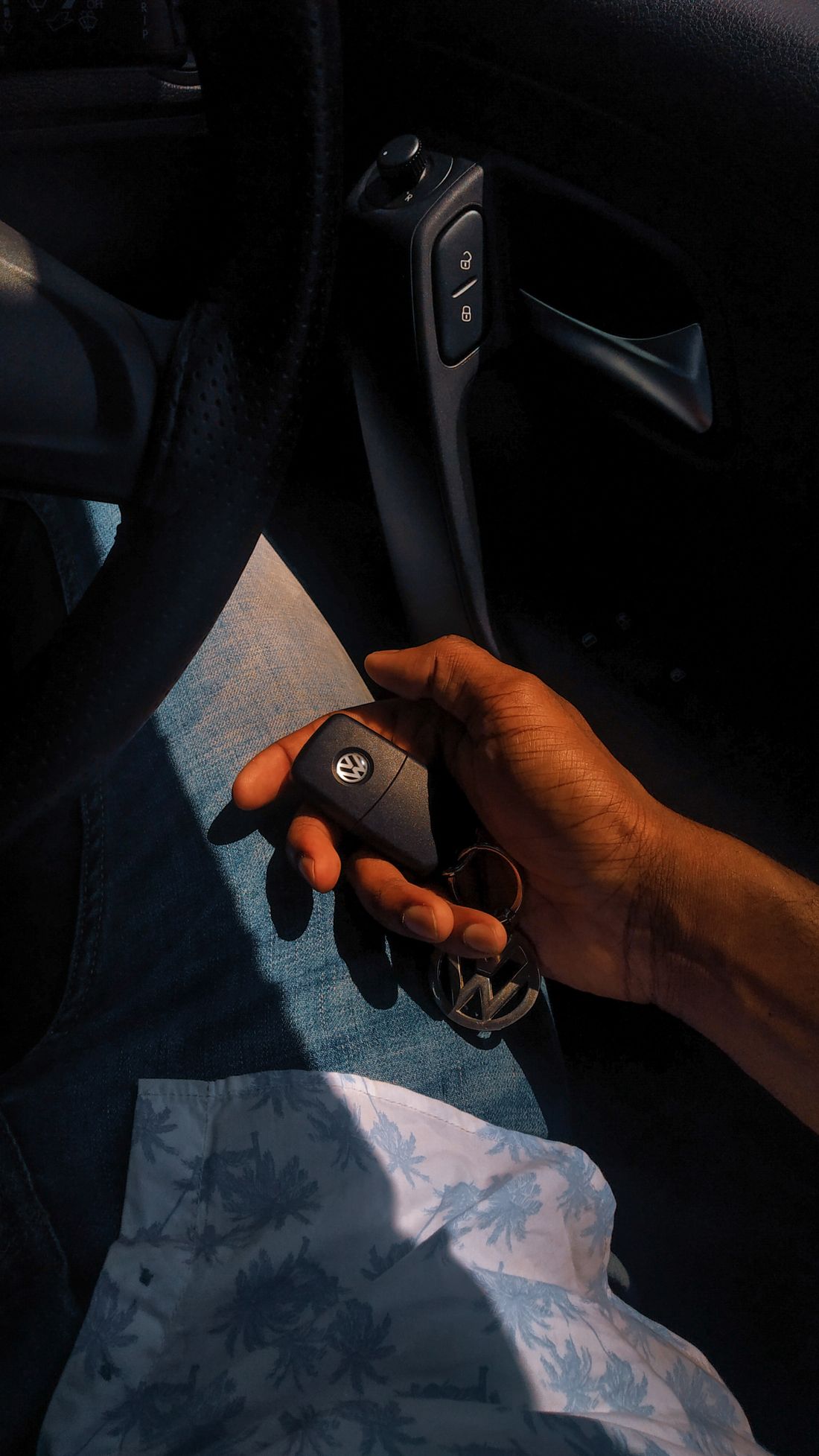
Review these details to distinguish between common wear-and-tear symptoms and actual cylinder failure, helping you identify when your starting system requires professional diagnostic attention.
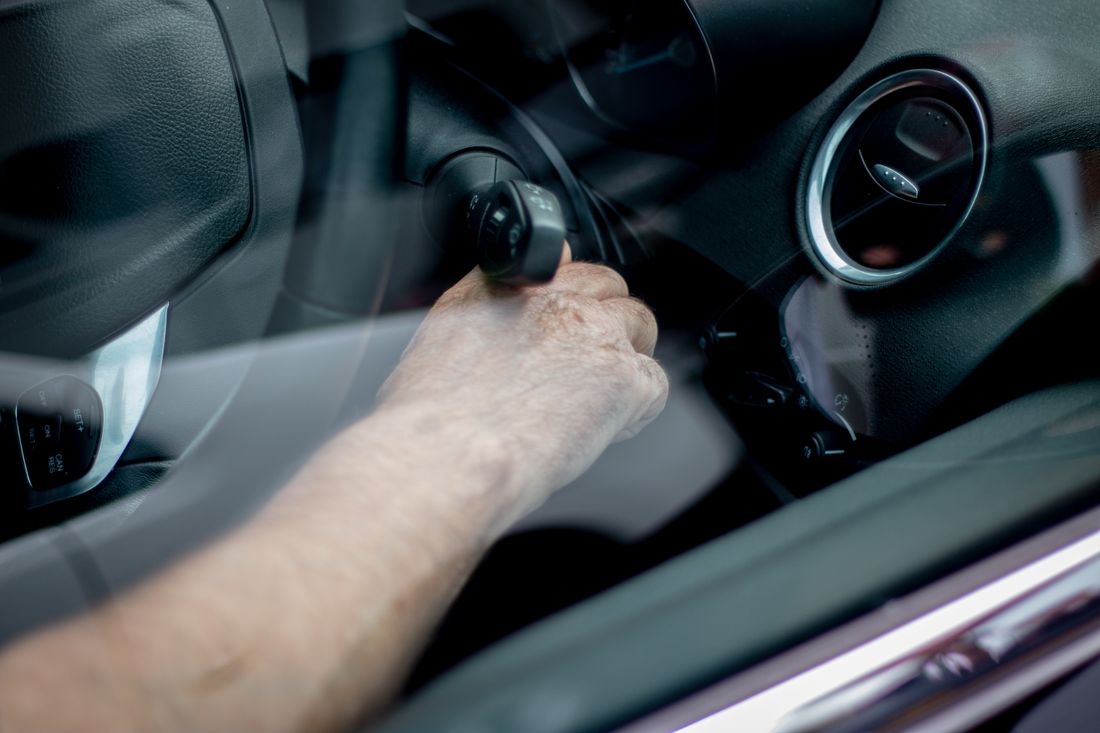
Explore this overview to understand how the current condition of your existing key affects the accuracy and reliability of the resulting duplicate for your specific lock.
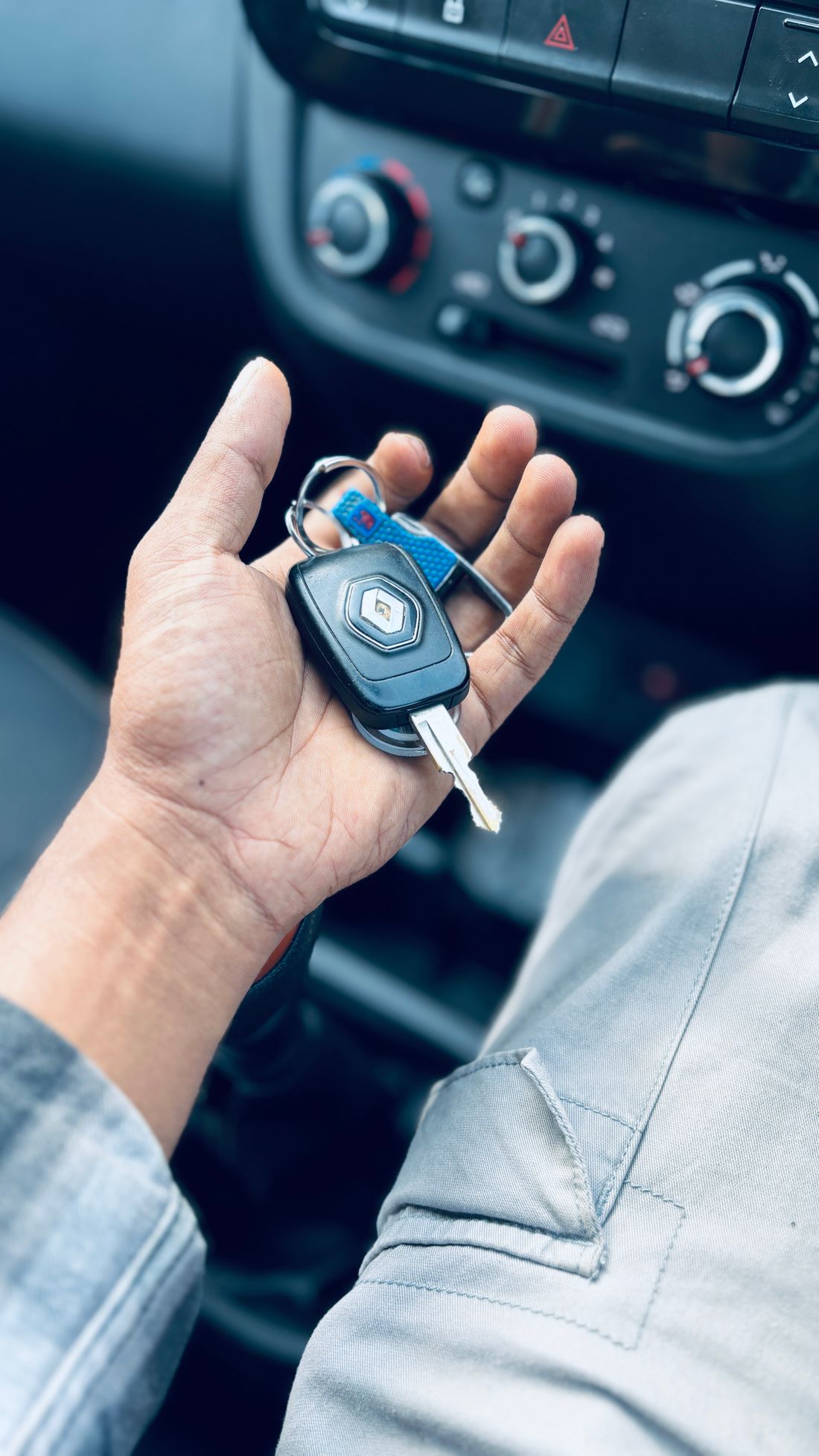
Learn how matching the specific symptoms of a key failure to the vehicle’s model year helps in selecting the most accurate and efficient path for resolution.
Home security maintenance focuses on the integrity of the door assembly and the specific list of people currently holding keys. When a lock begins to bind, latching incorrectly, or simply failing to operate smoothly, the most effective approach is a comprehensive assessment of the strike plate and internal components rather than an immediate replacement. By understanding the distinction between hardware repair, component replacement, and simple cylinder rekeying, residents can efficiently manage home access without discarding functional existing hardware when only an adjustment is needed.
Check this resource to learn the importance of verifying property authorization and assessing hardware condition before attempting entry into a residential dwelling after a lockout.
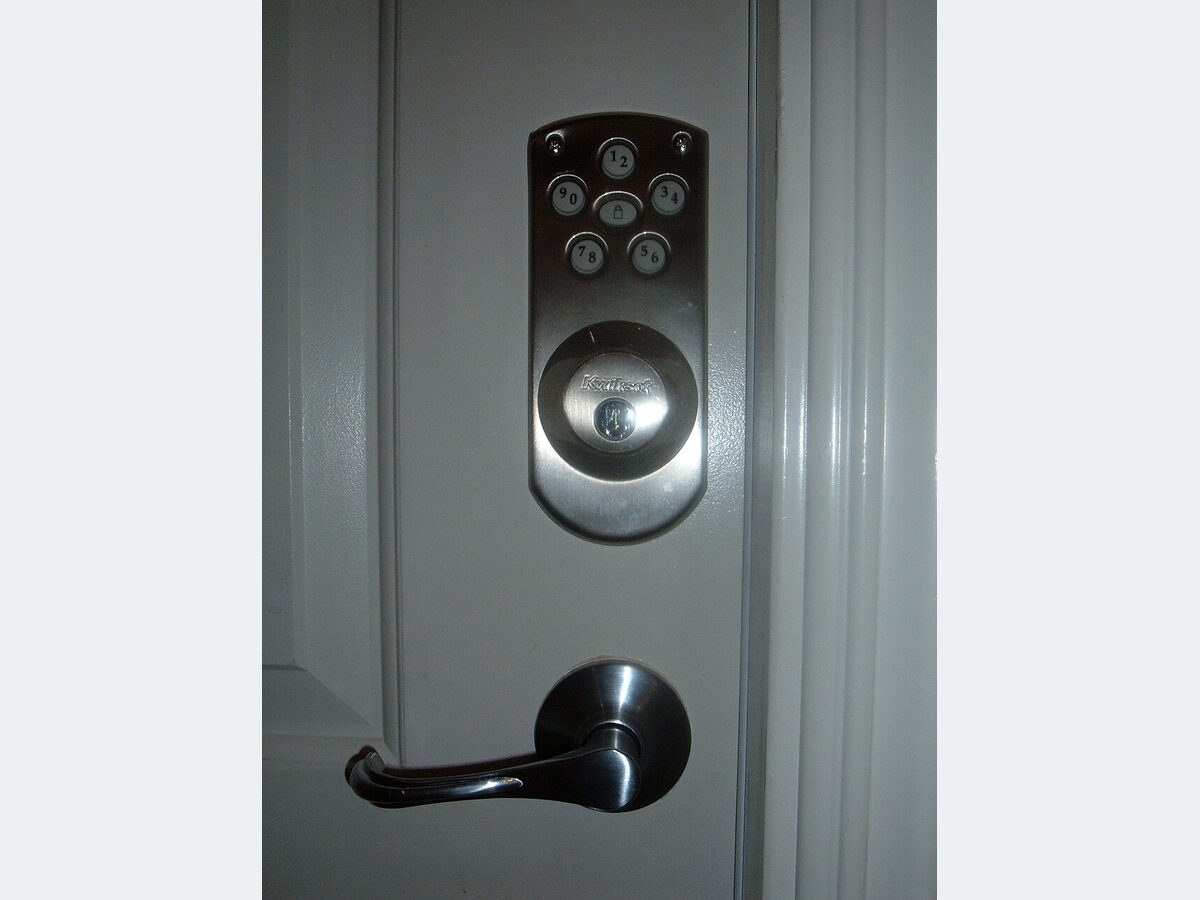
Read this to understand the practical criteria for deciding whether a latching issue requires a simple hardware alignment or a full replacement of your door security.

Examine this guide to understand how rekeying changes your internal lock configuration to control access without the need for installing entirely new, expensive door hardware.
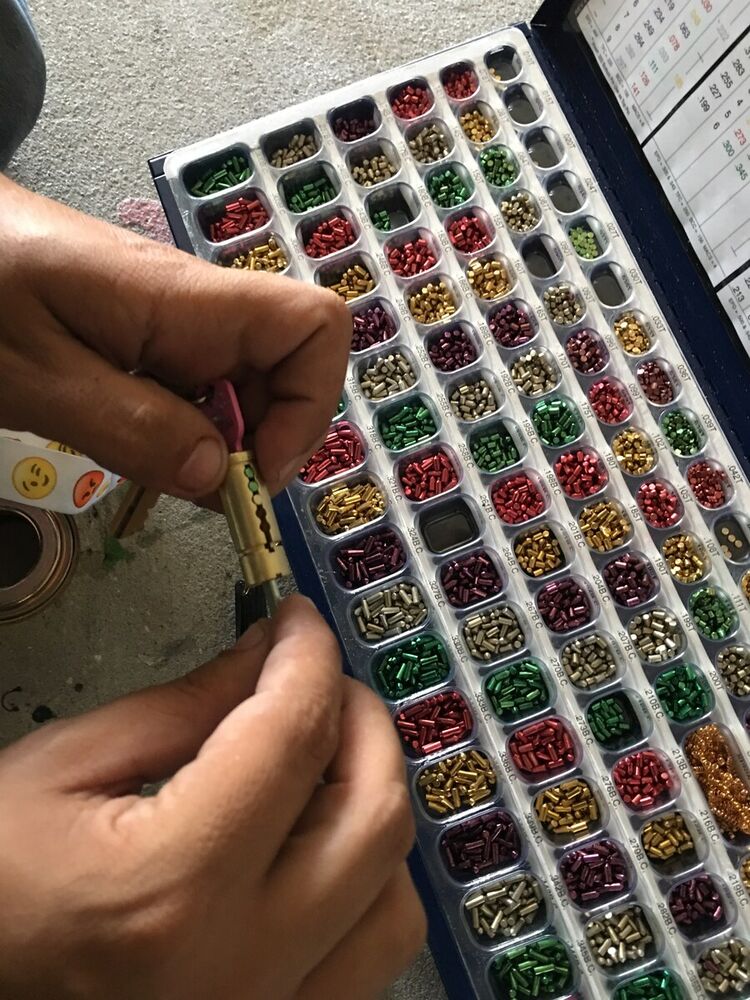
Read this to identify the logical sequence for diagnosing home security needs, moving from simple maintenance and rekeying to the necessity of total lock hardware replacement.
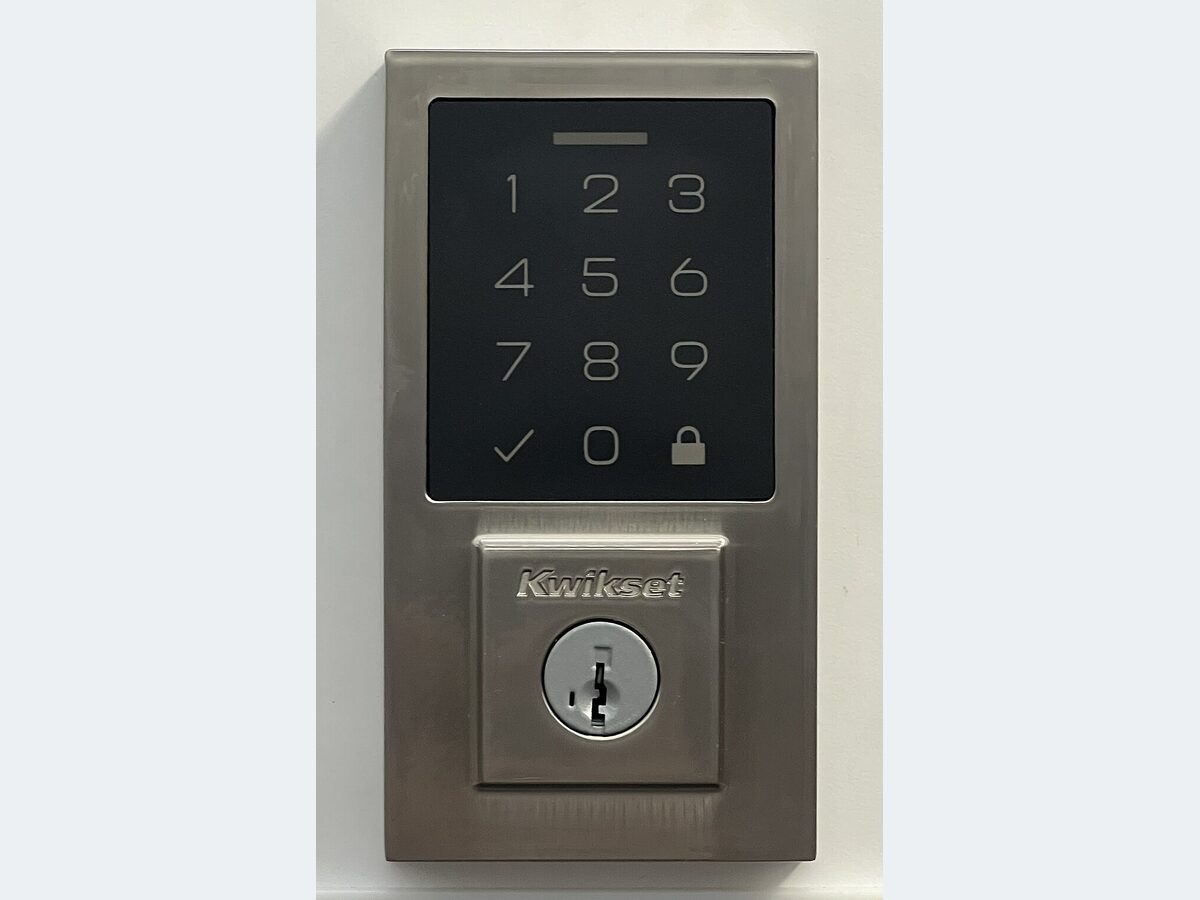
Professional property management requires a clear, audit-ready approach to entrance control. Access to a business facility often involves complex requirements, such as establishing master key systems to manage varying user permissions across multiple office doors. Owners must prioritize identifying which cylinders can support current security needs and defining who retains authorization for modifications. Effective planning involves assessing door durability, evaluating high-security hardware options, and ensuring that key management practices provide the necessary visibility into who controls every entrance throughout the entire commercial premises.
Discover why a thorough inventory of your commercial entrance points is the most important step before engaging in any large-scale access control or lock modifications.
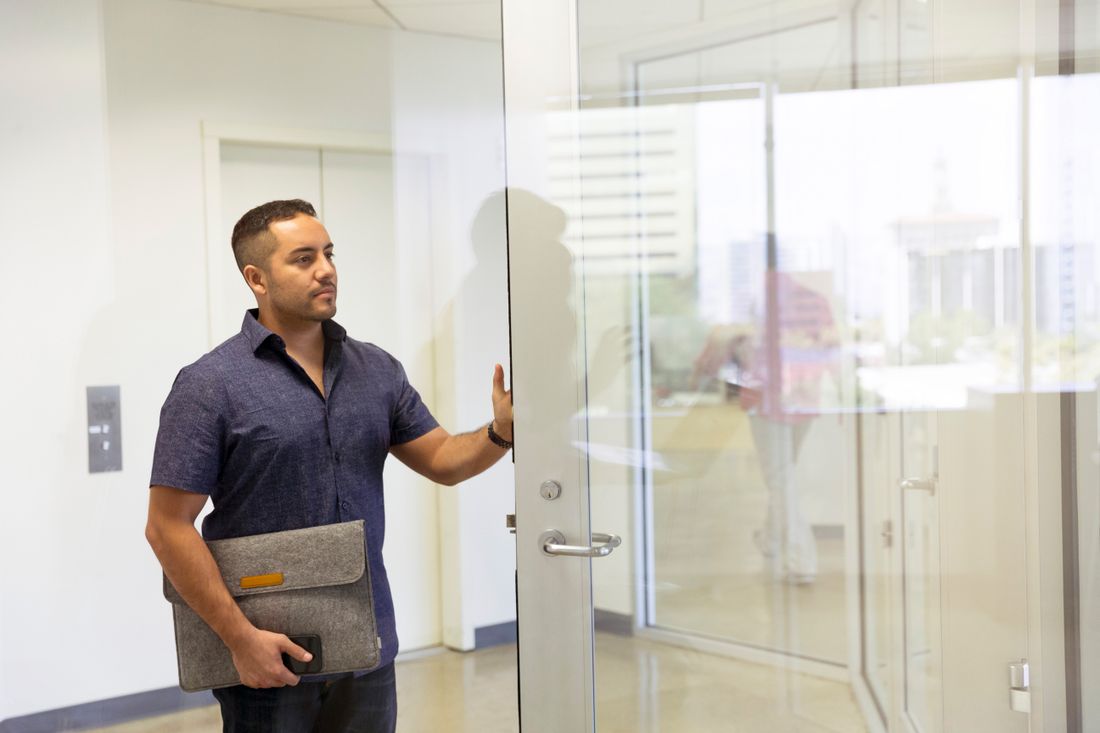
Read these steps to learn how to facilitate rapid business access while ensuring that only verified representatives oversee the resolution of a facility entry emergency.

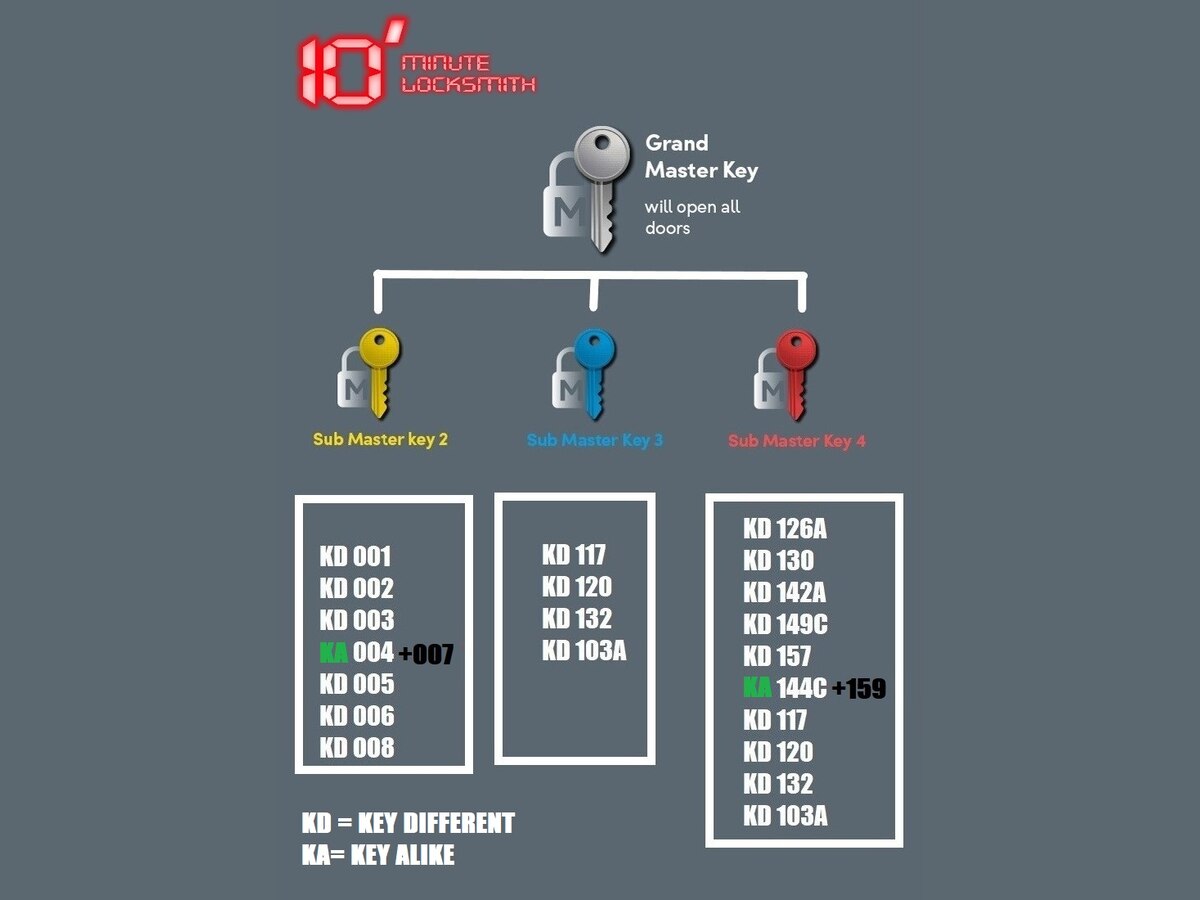
Consult this guide to assess whether your existing cylinders are compatible with a new master hierarchy designed to simplify and secure diverse employee access levels.
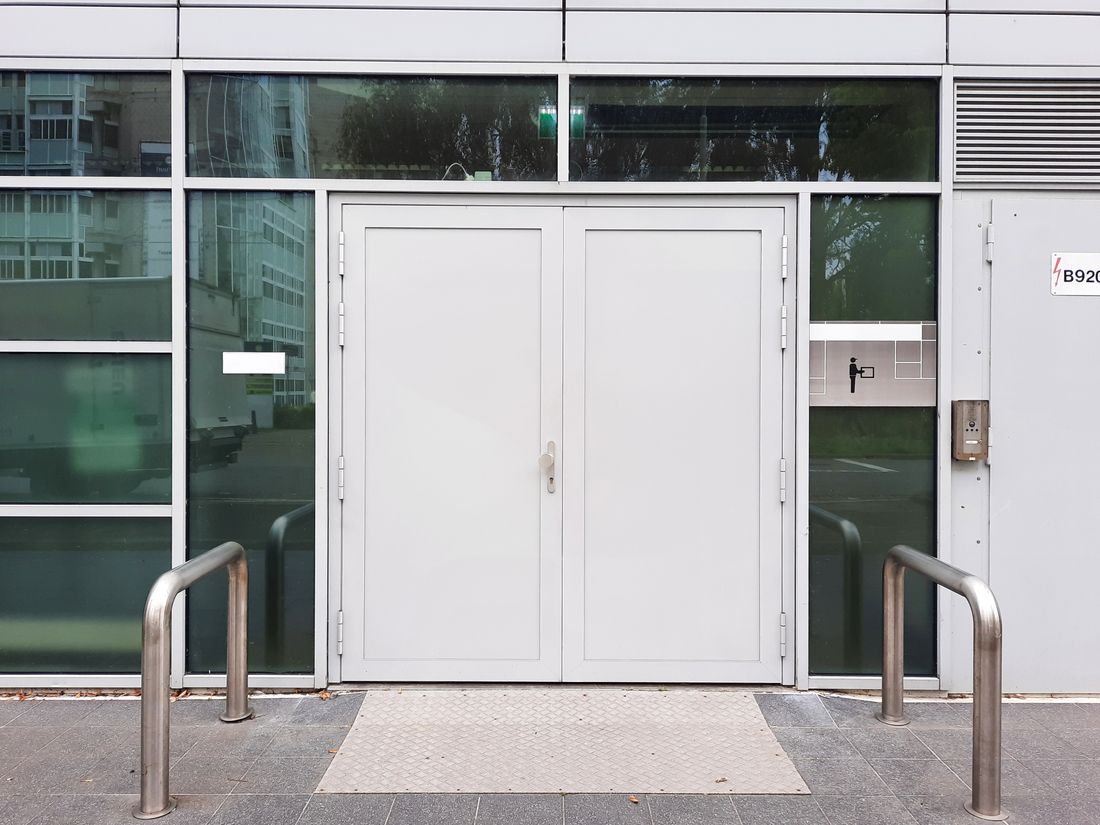
Review this content to determine if your current entrance vulnerabilities require high-security cylinders or if standard hardware remains sufficient for your business's defined protection needs.
Monday–Saturday, 8am–10pm
No separate Doctor Phillips office is listed. Call us at (407) 477-5507 to confirm the proposed work and availability.
All locksmith servicesMoving forward requires a systematic audit of your current hardware status. Begin by documenting all existing keys and verifying who holds the physical authority for every entrance point. Map out your security needs by distinguishing between operational failures, such as a sticking lock or a failing transponder, and administrative changes like updating access lists. By establishing this documentation now, you create a functional roadmap for future improvements, allowing you to prioritize necessary hardware upgrades or configuration changes based on verified security requirements and actual usage patterns.
Have identification and proof of authorized access ready. For vehicle work, include the year, make, model, and which key functions still work. For property work, identify the affected doors, permissions, and hardware. Call 911 first if anyone is in immediate danger.