Car Lockout Service
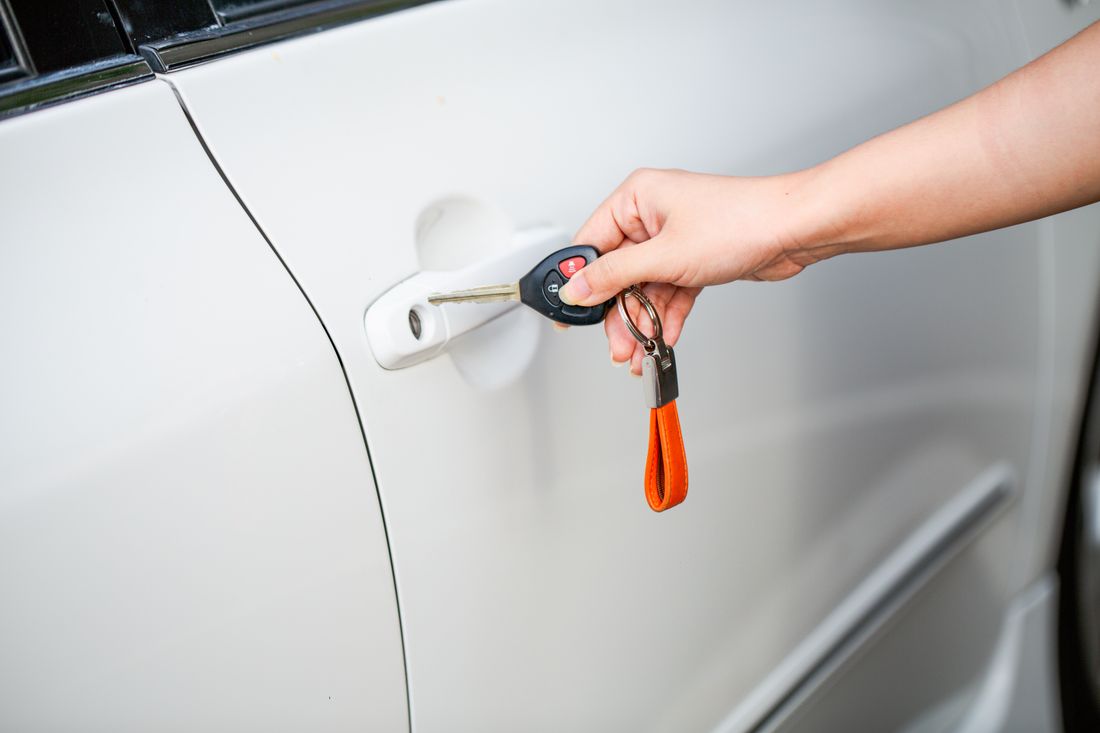
Learn how distinct entry techniques are chosen based on the specific mechanical design and security features of your vehicle's door and locking system.
Understanding locksmithing requires recognizing that every access issue is unique, shaped by specific mechanical components and electronic systems. Whether you are addressing an automotive lockout, a residential lock repair, or a commercial security upgrade, the initial approach dictates the efficiency of the resolution. This guide breaks down the essential distinctions between common service categories, helping you prepare the necessary information for a professional assessment. By identifying your specific situation through our expert lens, you can ensure that the support received is perfectly calibrated to your equipment.
A service-area guide, not a separate local office. Confirm availability and arrangements for your location and service needs.
Call (813) 279-2727 · Request service

Automotive locksmith support requires a precise understanding of your vehicle's year, model, and starting system, as modern fobs and ignition cylinders vary significantly. An accidental lockout in a driveway requires a different technical response than replacing a lost transponder key or repairing a worn ignition assembly. Because electronic security features and physical key designs are model-specific, assessing your vehicle’s unique requirements is critical before beginning any entry, key cutting, or programming tasks, ensuring that the work performed matches the vehicle's specific manufacturer standards.
Learn how distinct entry techniques are chosen based on the specific mechanical design and security features of your vehicle's door and locking system.
Discover why identifying the difference between a simple metal blade and a sophisticated transponder fob is vital for successful vehicle key replacement.
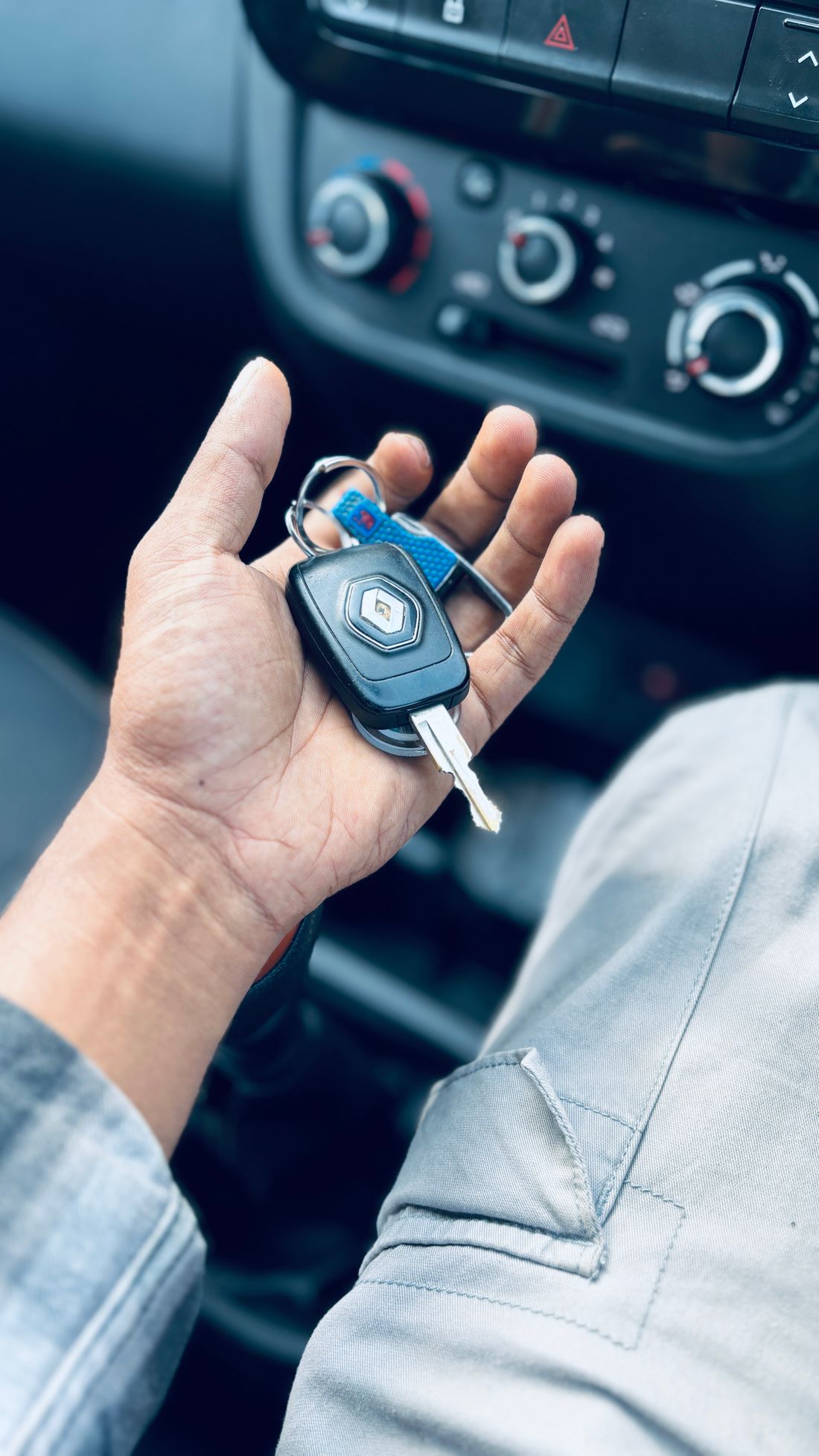
Understand why symptoms like key sticking or starting failures require a professional evaluation of the cylinder mechanism versus the key's physical condition.
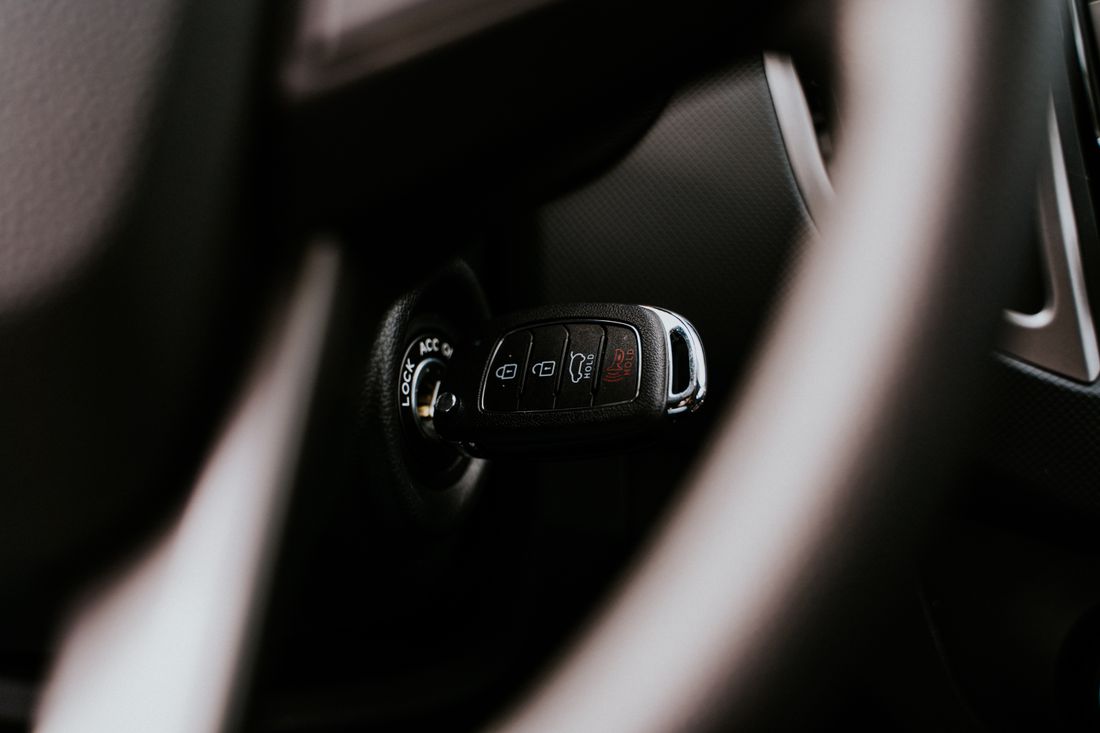
Explore how verifying your current key's status and the appropriate blank type ensures that your spare functions correctly for daily use.
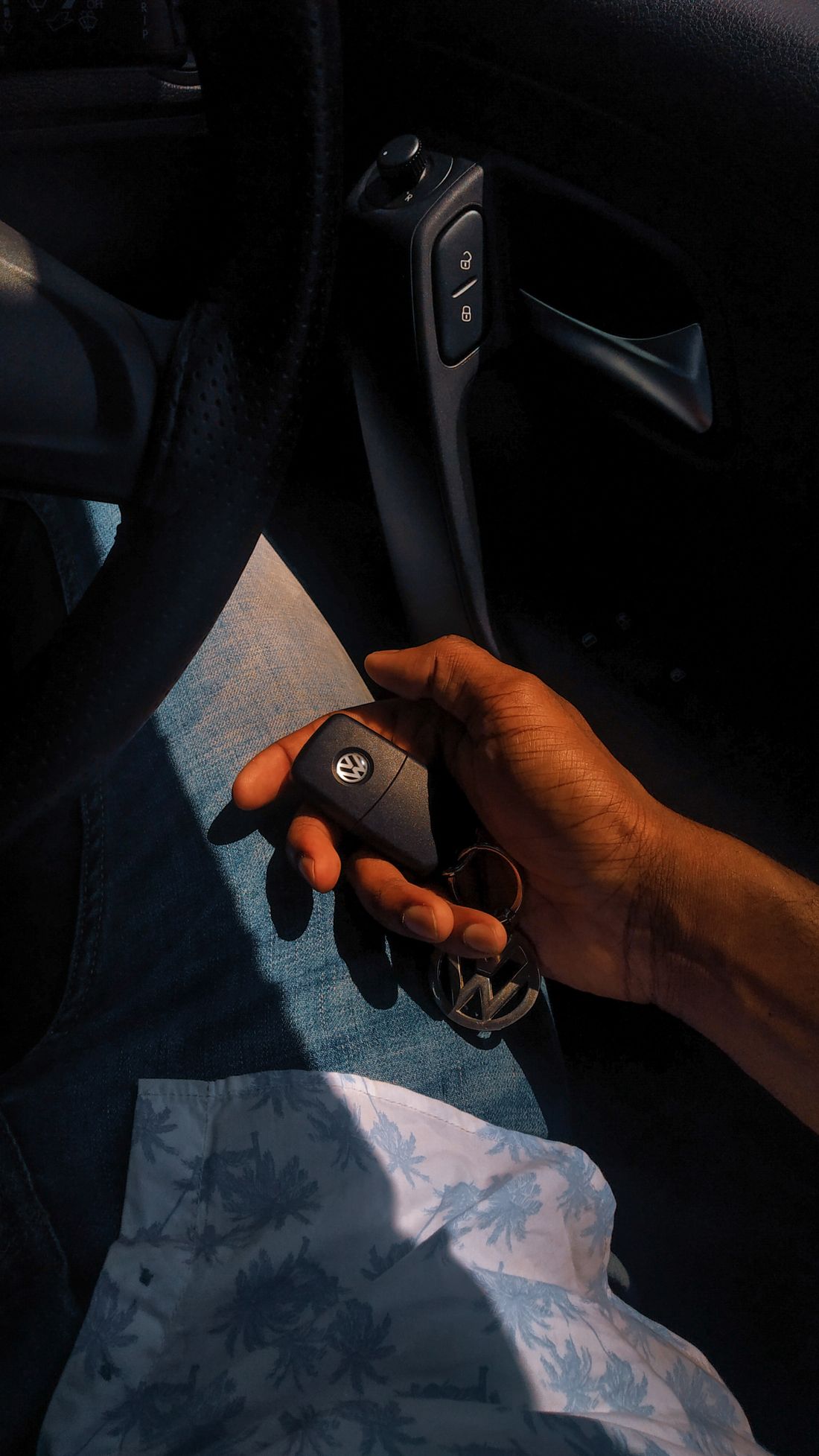
Learn to distinguish between mechanical and electronic vehicle failures so you can provide the specific details required for efficient professional support.
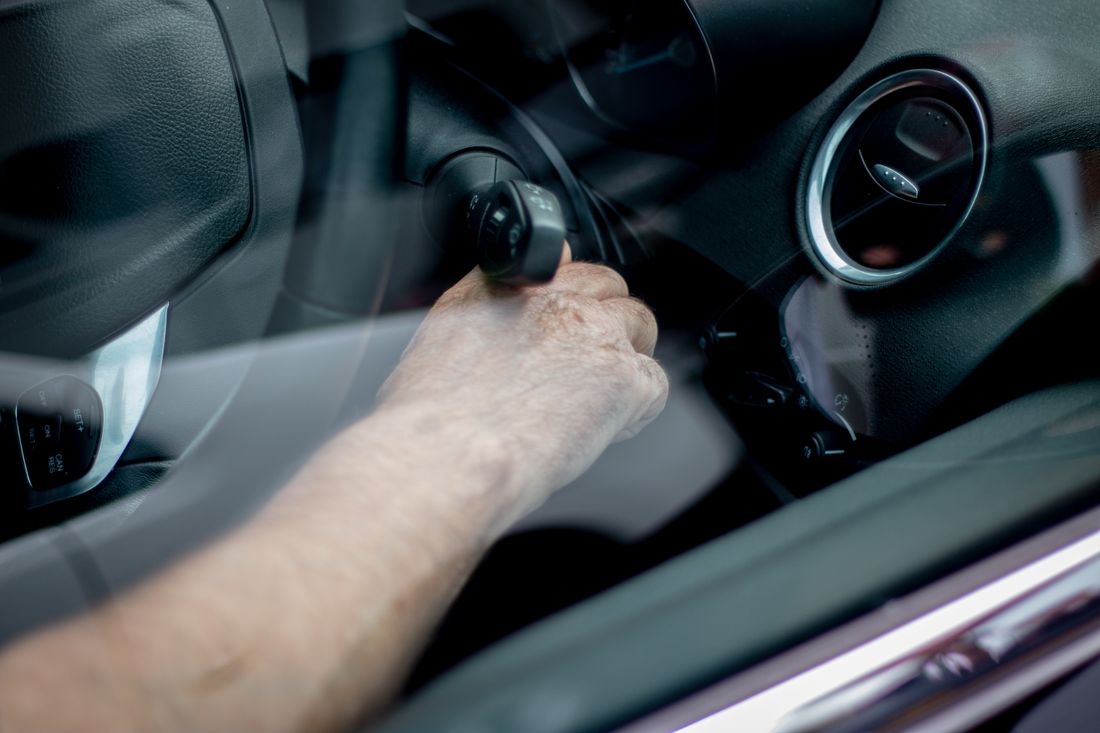
Residential locksmith services focus on maintaining the integrity of your home's entry points through careful hardware assessment. Whether you are dealing with a lockout, a binding latch, or a security upgrade through rekeying, the solution depends on the interaction between the lock cylinder and the door frame. Distinguishing between a mechanical failure and a lost key scenario allows for targeted maintenance that preserves your hardware while restoring smooth, secure functionality to your home's entryways without unnecessary or invasive replacement work.
Review the importance of assessing the lock type and door fit to ensure safe, damage-free entry during a residential lockout event.
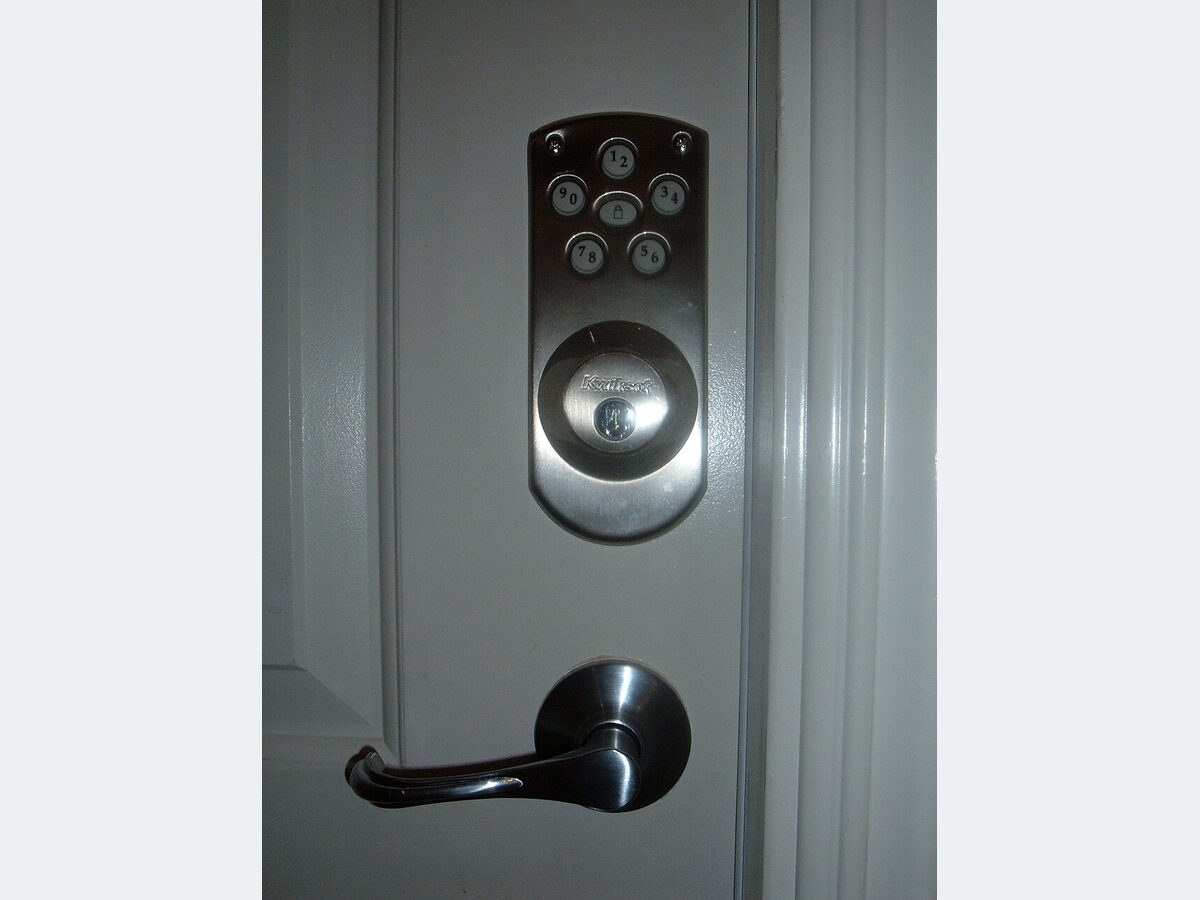
See why identifying the cause of binding hardware helps determine whether a minor adjustment or a total lock replacement is truly necessary.
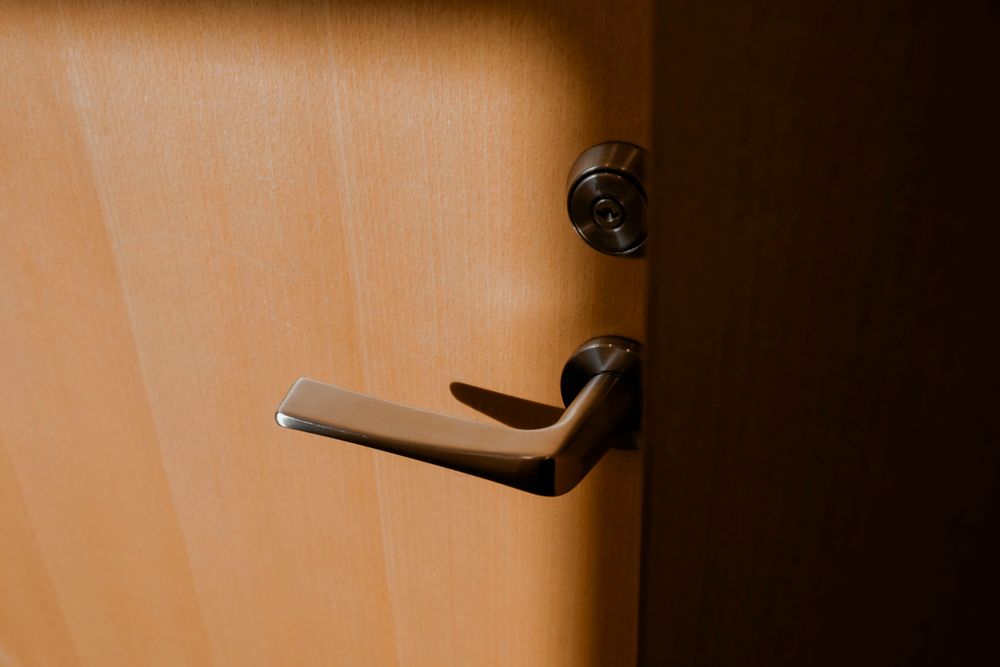
Examine how rekeying existing cylinders allows you to effectively manage home access without the expense of replacing fully functional, high-quality hardware.
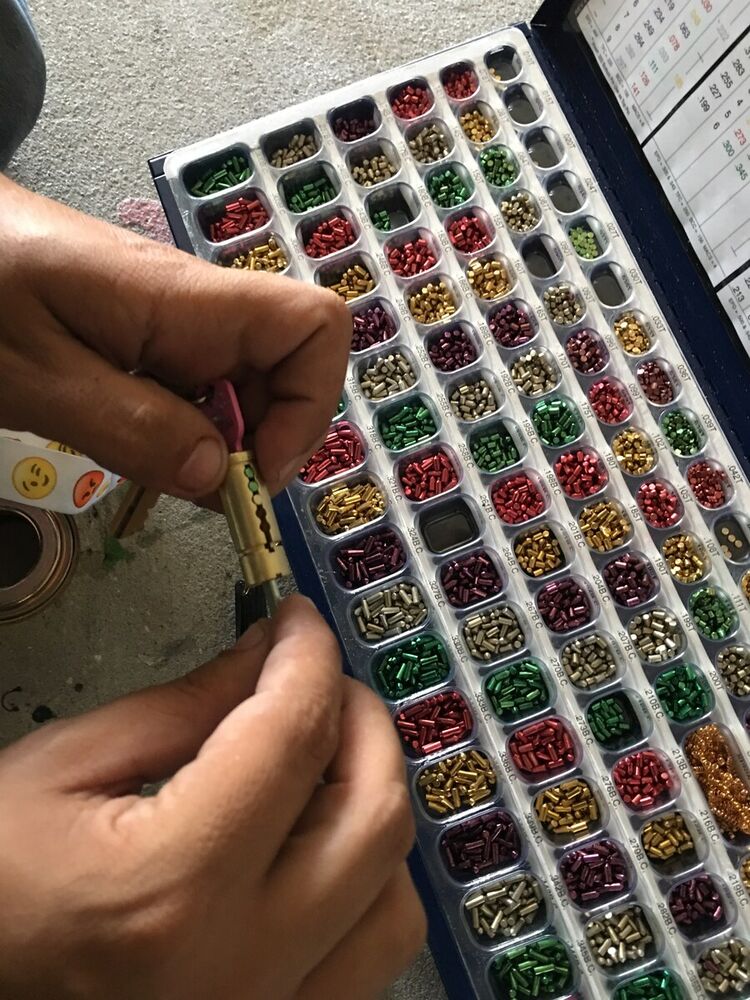
Understand the factors that guide the selection between lock repair, rekeying, or replacement based on your home's specific entry security goals.
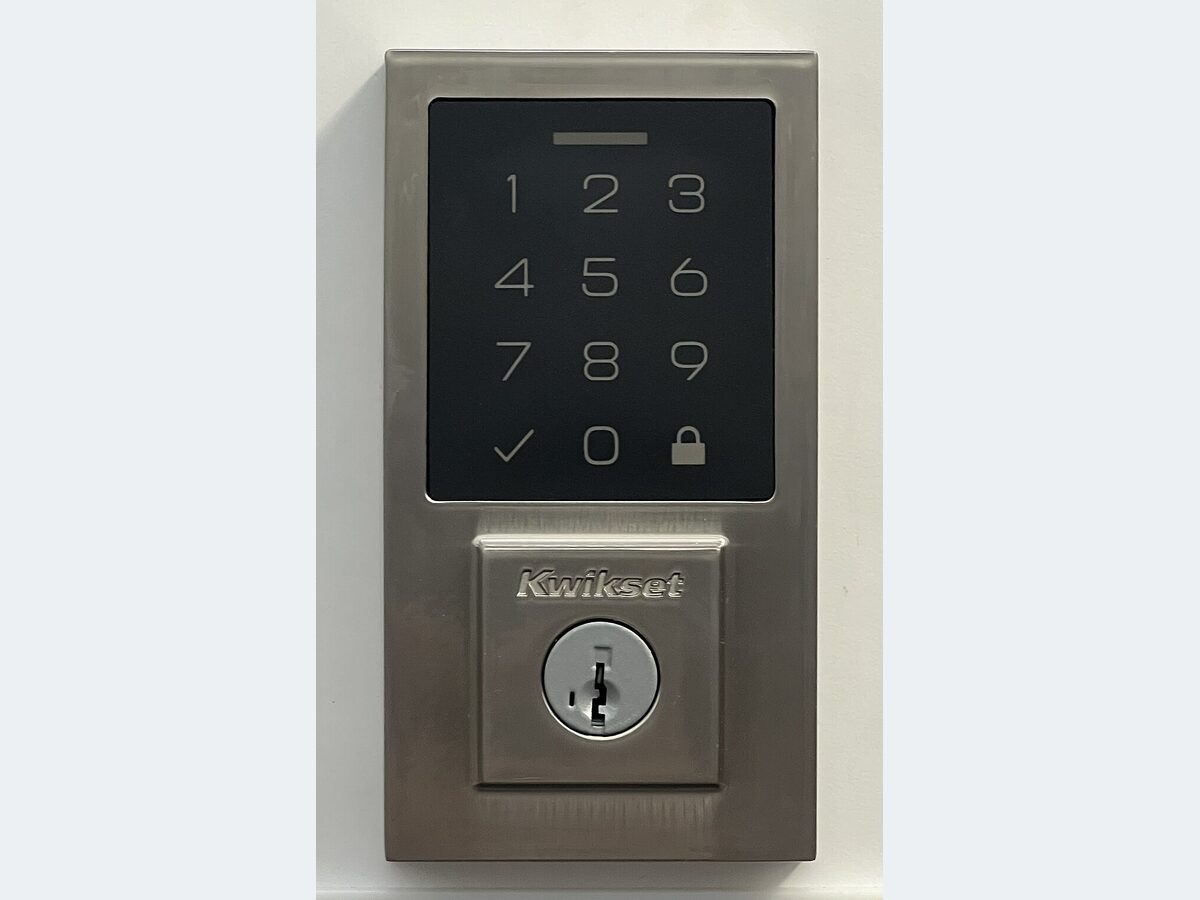
Commercial access requires a strategic approach that balances property security with the operational needs of a business. Effective master key systems and high-security lock installations must be planned around existing infrastructure and specific permission requirements for different areas of a premises. Professional assessment of your door hardware and existing cylinder arrangements ensures that any upgrades address specific vulnerabilities or logistical challenges. By clarifying your access goals early, you can implement sustainable security solutions that support daily operations for staff and visitors alike.
Understand the logic behind aligning your facility’s security hardware with specific access control requirements for staff and visitors.

Learn how verifying authorized entry options minimizes operational downtime when a commercial door fails to open due to lost keys.

Discover how to design a hierarchical access plan that separates individual room security from administrative master key capabilities for your property.
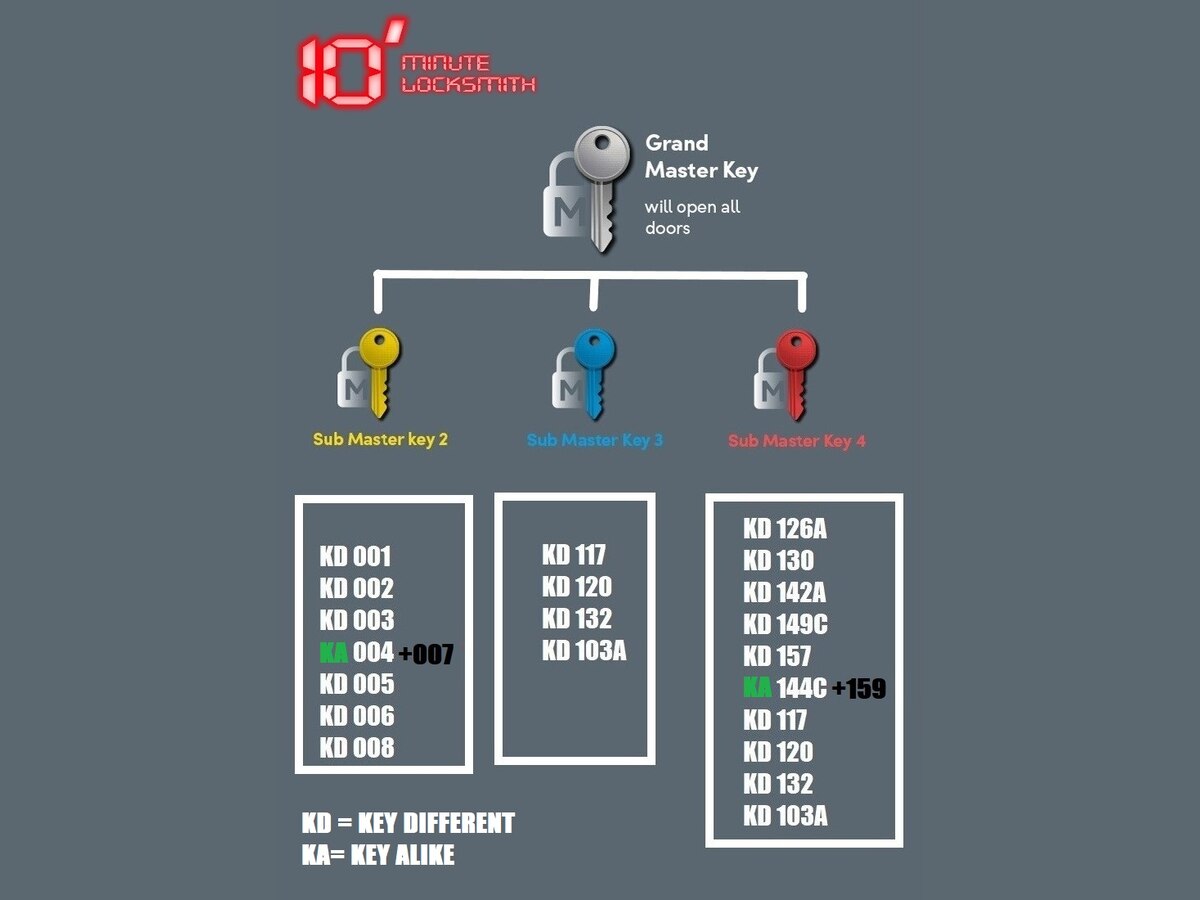
Explore how to match specific lock grades and cylinder technologies to your actual business vulnerability to ensure long-term, durable protection.
Monday–Saturday, 8am–10pm
No separate Gibsonton office is listed. Call us at (813) 279-2727 to confirm the proposed work and availability.
All locksmith servicesEffective lock management starts with a proactive assessment of your existing hardware rather than waiting for an emergency. Consider performing a walkthrough of your premises to note any keys that are becoming difficult to use or latches that require excessive force to engage. By identifying these early signs of wear, you can schedule maintenance that avoids a lockout or a total lock failure. Always keep an inventory of your key types and access needs, as having this documentation ready simplifies the professional planning process for any future security upgrades.
Have identification and proof of authorized access ready. For vehicle work, include the year, make, model, and which key functions still work. For property work, identify the affected doors, permissions, and hardware. Call 911 first if anyone is in immediate danger.