Car Lockout Service
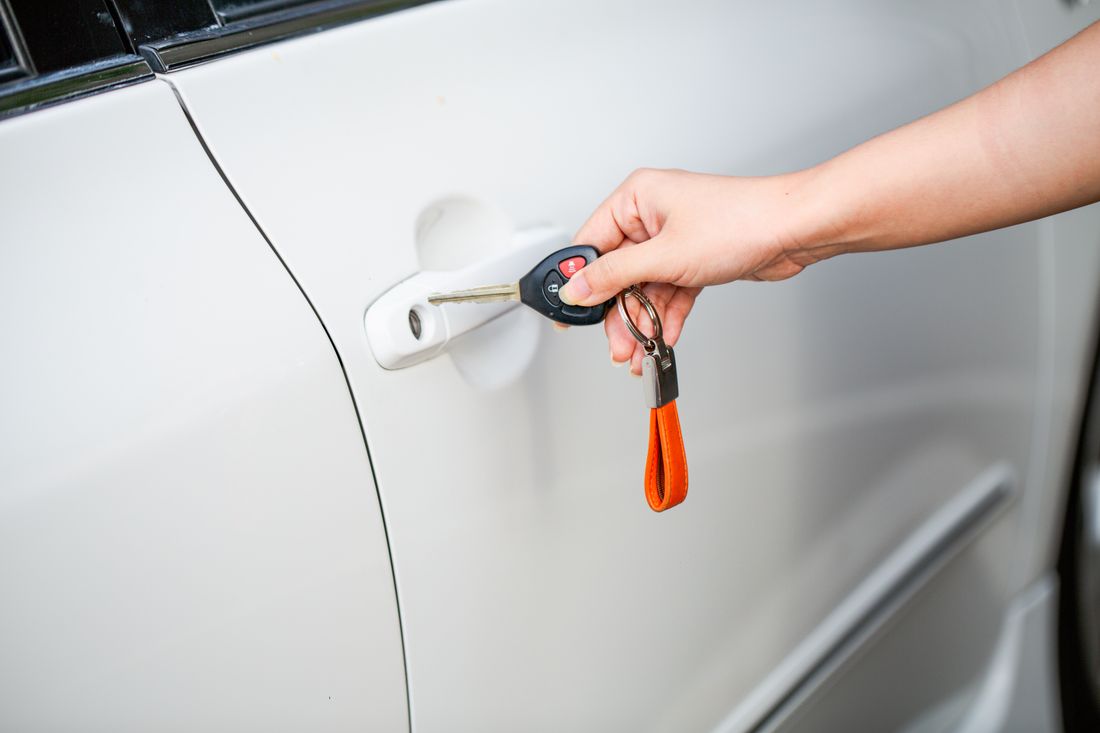
Examine the specific factors influencing non-destructive vehicle entry methods suited for modern electronic locks and mechanical door handles.
Securing your environment requires a balanced approach to hardware reliability and access management. Whether navigating the complexities of modern vehicle starting systems or addressing the mechanical integrity of residential entry points, informed decision-making remains the priority. This editorial hub provides focused insights into automotive, residential, and commercial security, emphasizing the importance of matching specific hardware needs with accurate operational assessments. By understanding the compatibility between your property’s structural requirements and current security solutions, you ensure that every intervention is tailored to your unique circumstances and security objectives.
A service-area guide, not a separate local office. Confirm availability and arrangements for your location and service needs.
Call (407) 477-5507 · Request service
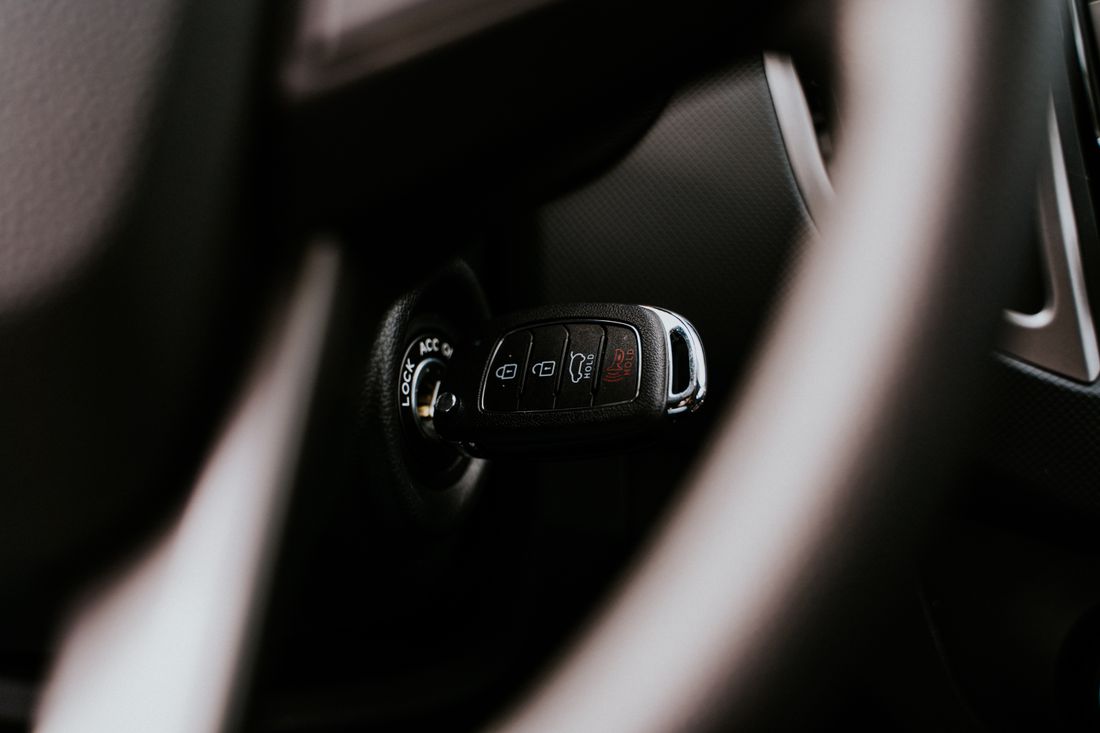
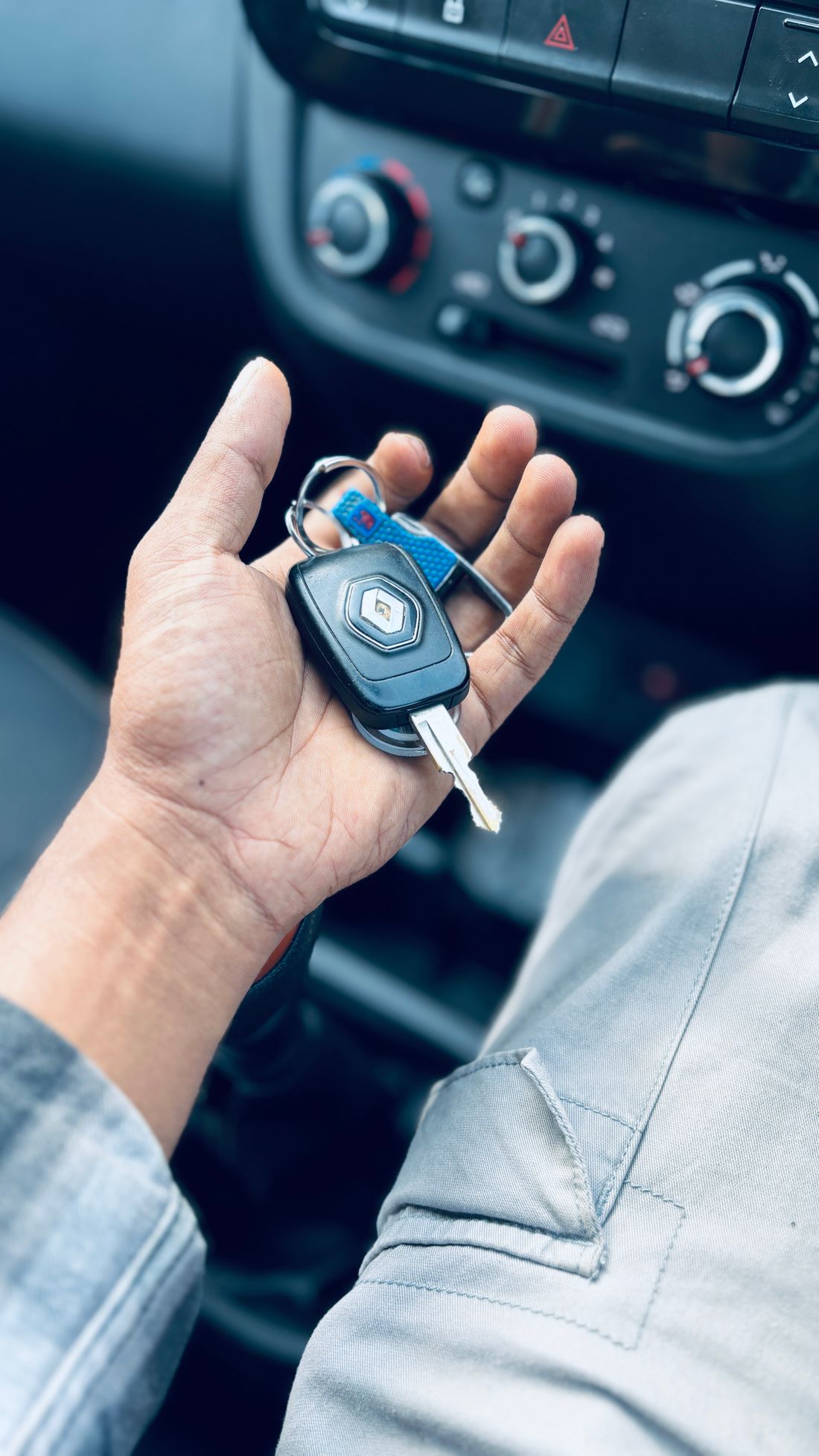
Vehicle access and starting systems represent a precise intersection of mechanical and digital technology. A lockout situation often requires an immediate, non-damaging entry approach based on the car’s specific model and year. Simultaneously, key replacement or fob programming must be strictly matched to the vehicle’s particular ignition requirements to ensure full functionality. Owners should differentiate between simple mechanical key duplication and the more involved process of synchronizing electronic transponders, ensuring the service matches the vehicle's unique internal security protocols and generational software architecture.
Examine the specific factors influencing non-destructive vehicle entry methods suited for modern electronic locks and mechanical door handles.
Learn how to match your vehicle's unique transponder requirements and key-cut patterns to ensure successful remote and ignition pairing.

Discover how to differentiate between mechanical key wear and internal cylinder fatigue to address starting difficulties accurately.
Understand the critical differences between standard mechanical key copying and the validation steps required for electronically coded security fobs.
Examine how to categorize complex vehicle symptoms to ensure your service approach addresses the correct mechanical or software system.
Maintaining residential security is rooted in the condition and compatibility of your home's entry hardware. A door that binds or a deadbolt that fails to engage may require a thorough evaluation of the door frame and internal components rather than a simple hardware swap. When addressing keys, rekeying allows for updated access control while preserving high-quality existing locksets. Before selecting new hardware, prioritize reviewing your door’s specific material and the prep work required to accommodate your desired locking mechanism effectively.
Review the necessary verification procedures and hardware considerations for regaining entry when common residential mechanisms fail or jam.
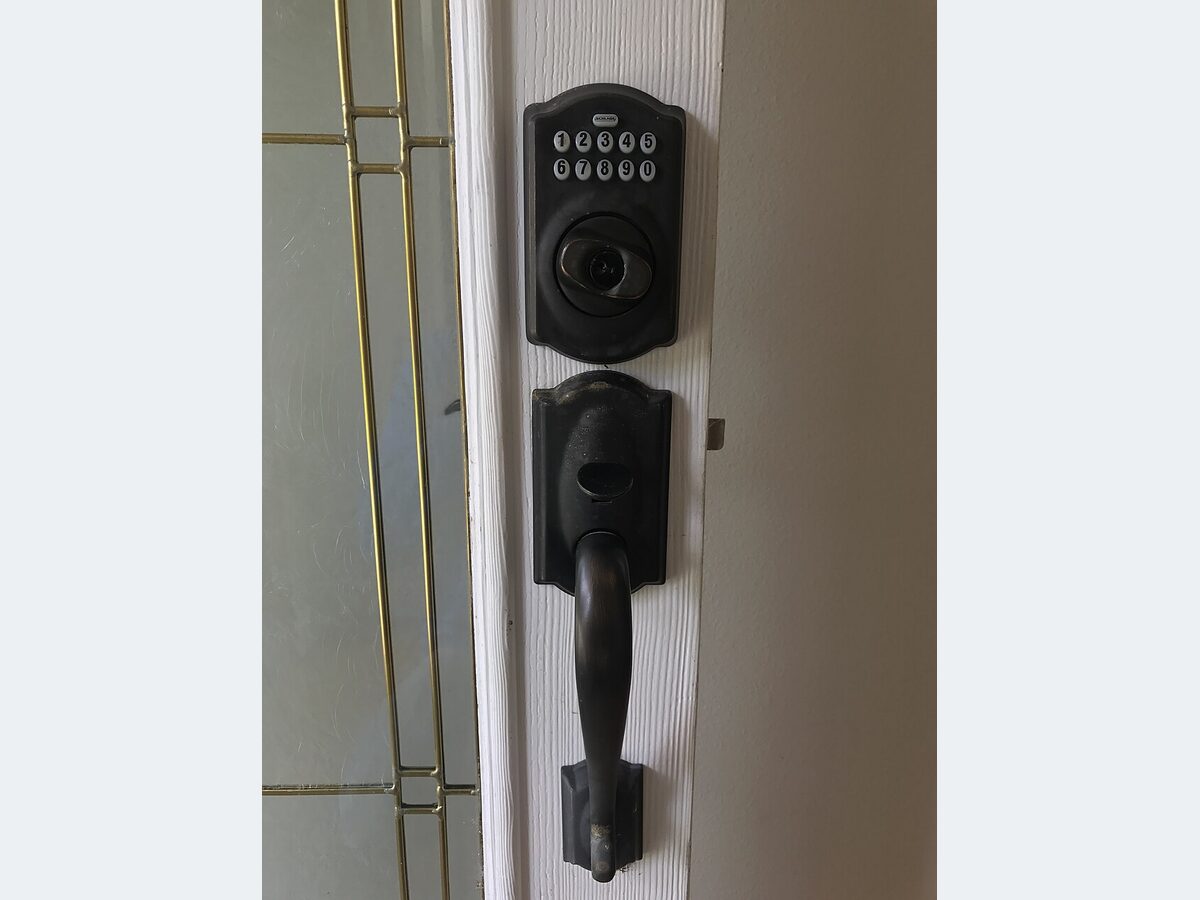
Identify the signs that hardware warrants a repair versus a complete replacement by evaluating door-fit and structural binding issues.
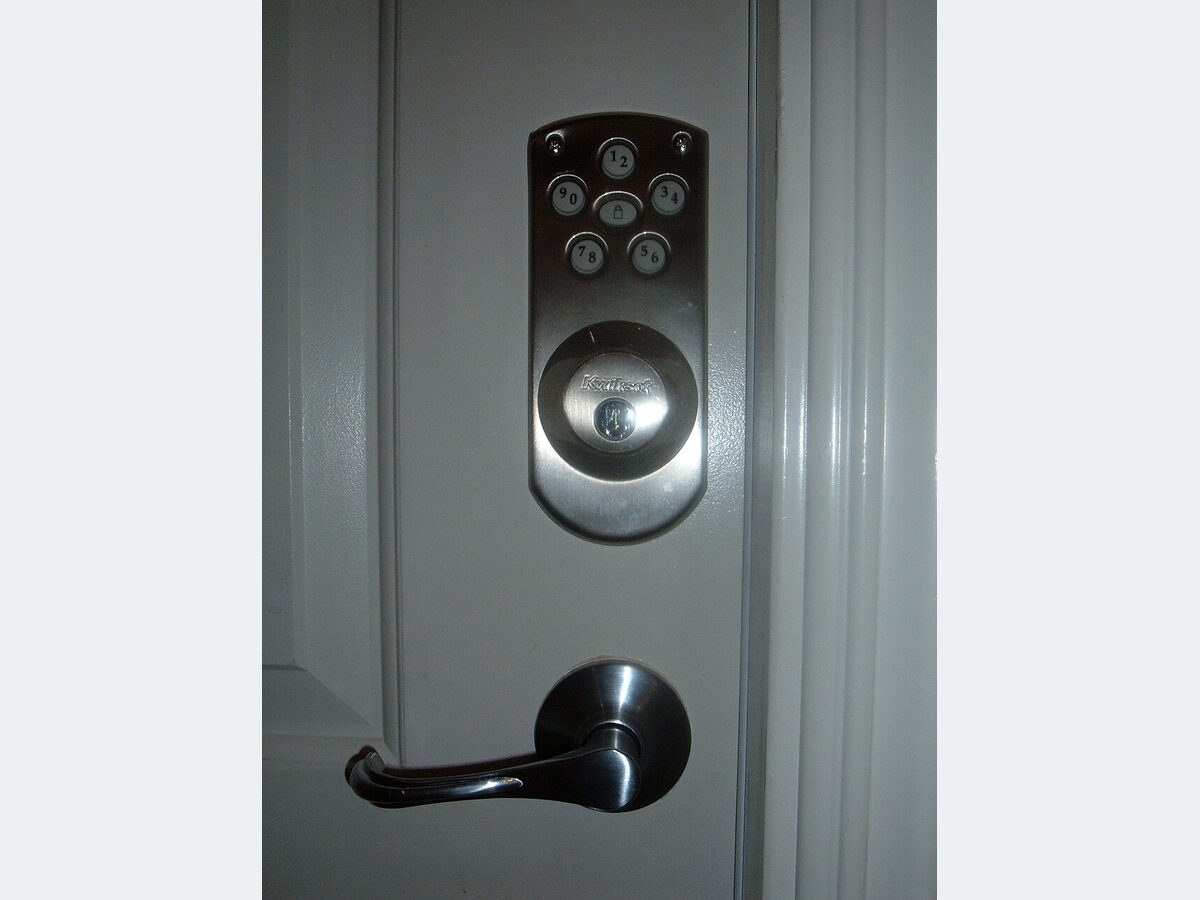
Explore how to manage interior access rights while determining if existing cylinders are viable for cost-effective security updates.
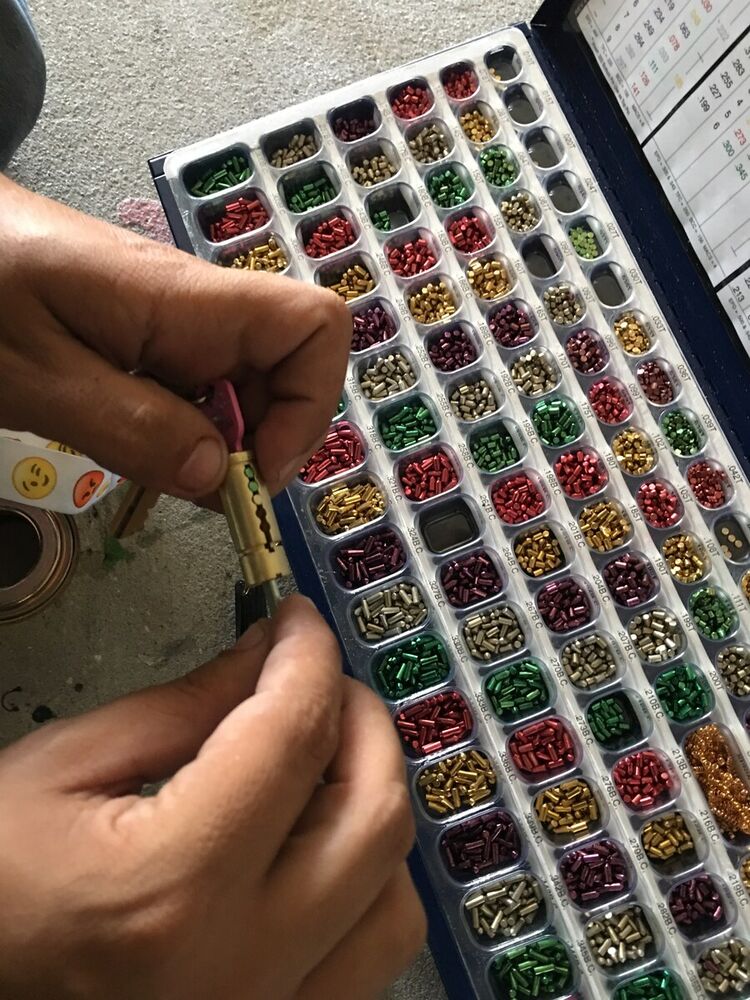
Review the essential criteria for assessing residential entry needs, from hardware material selection to long-term site security maintenance.
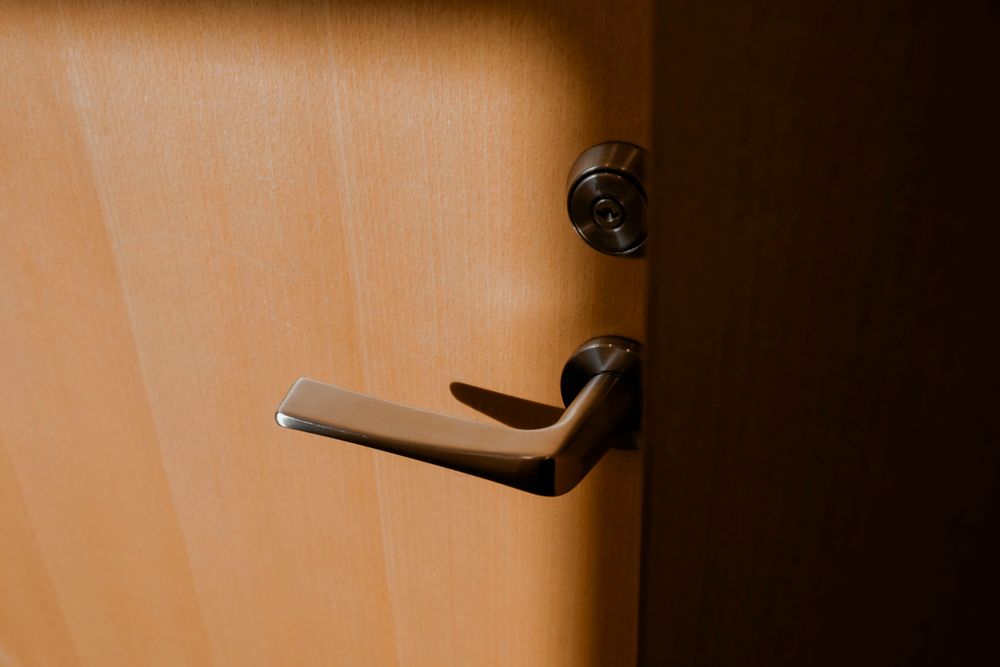
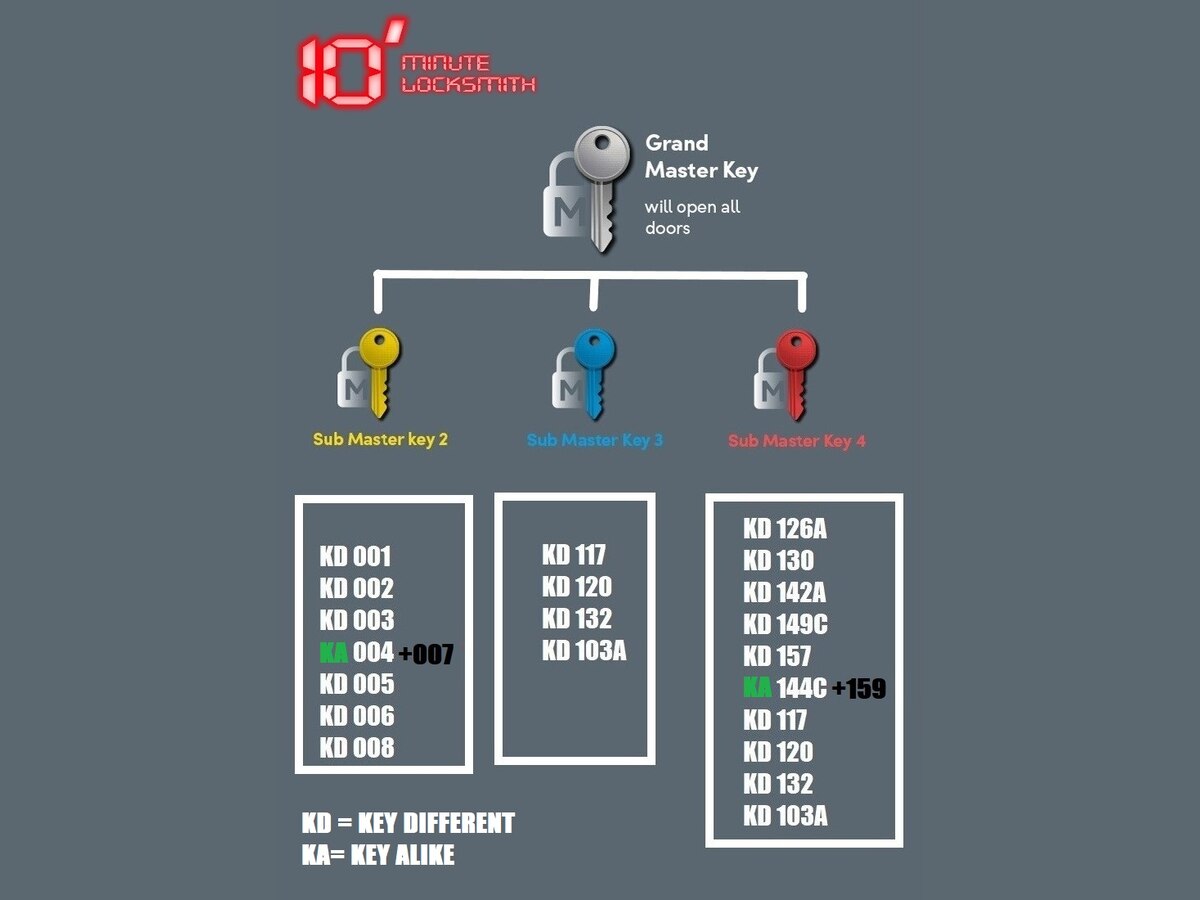
Professional premises demand a tiered approach to security that separates general access from specific, high-security requirements. Property managers must analyze the flow of authorized personnel against the existing cylinder capabilities before implementing complex systems like master key hierarchies. Effective commercial security is rarely about a single lock; it involves evaluating the durability of hardware under high-traffic conditions and verifying that chosen solutions align with established key control policies. A systematic assessment ensures that access is efficient for staff while remaining robust against unauthorized entry.
Assess your business premises' durability requirements and personnel management needs to determine the most effective security hardware configurations.

Learn the preparatory steps for authorized representatives when managing access interruptions in high-traffic or multi-door commercial work environments.

Evaluate the architectural feasibility of your current cylinders before designing a multi-level access system for diverse user groups.
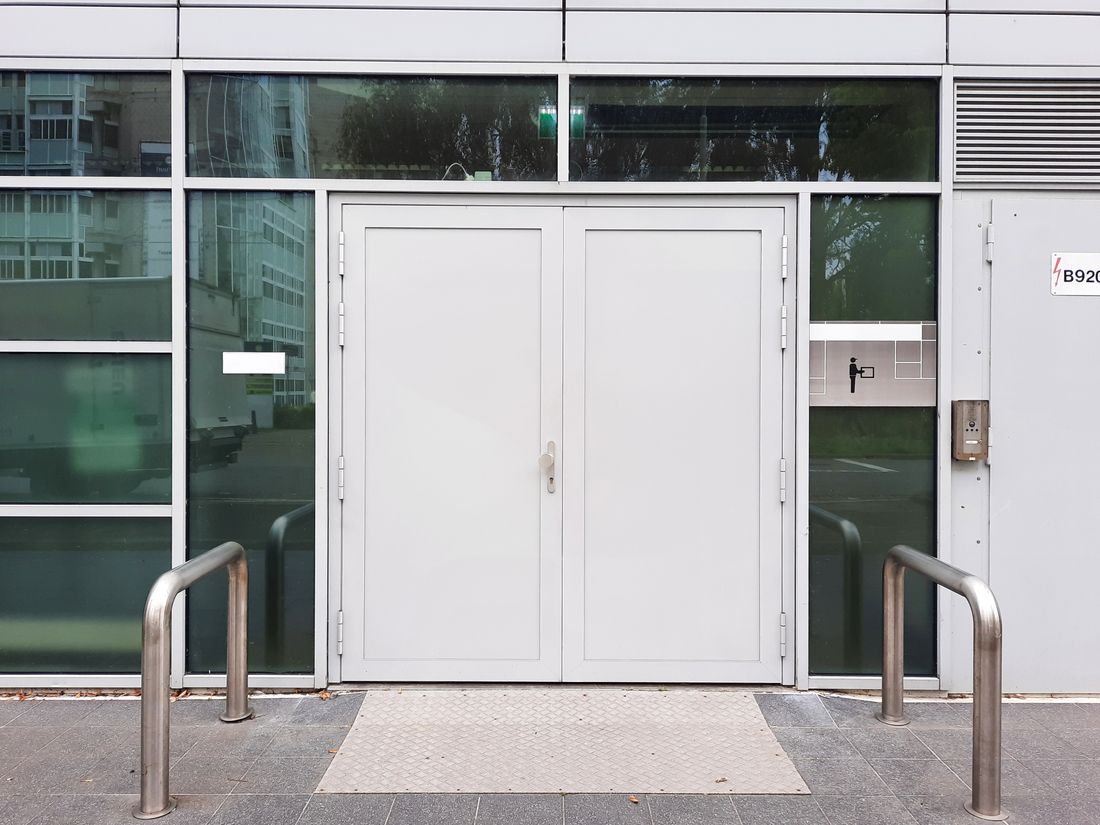
Explore how to match specialized locking hardware to specific door-frame materials to maximize protection against forced entry attempts.
Monday–Saturday, 8am–10pm
No separate Oakland office is listed. Call us at (407) 477-5507 to confirm the proposed work and availability.
All locksmith servicesStrategic security planning begins with a comprehensive audit of your physical entry points and their associated access systems. Documenting hardware types, material compositions, and current operational limitations is the vital first step toward improvement. Rather than reacting to malfunctions, assess whether existing infrastructure still meets your performance needs. This involves evaluating door-frame alignment, key security for all personnel, and the ongoing viability of current locking components. By prioritizing these diagnostic observations, you establish a clear, documented path for necessary upgrades and future-proof your security investment effectively.
Have identification and proof of authorized access ready. For vehicle work, include the year, make, model, and which key functions still work. For property work, identify the affected doors, permissions, and hardware. Call 911 first if anyone is in immediate danger.