Car Lockout Service
Review these procedures to understand how identifying the locking mechanism type helps determine the safest entry method for your specific vehicle model.
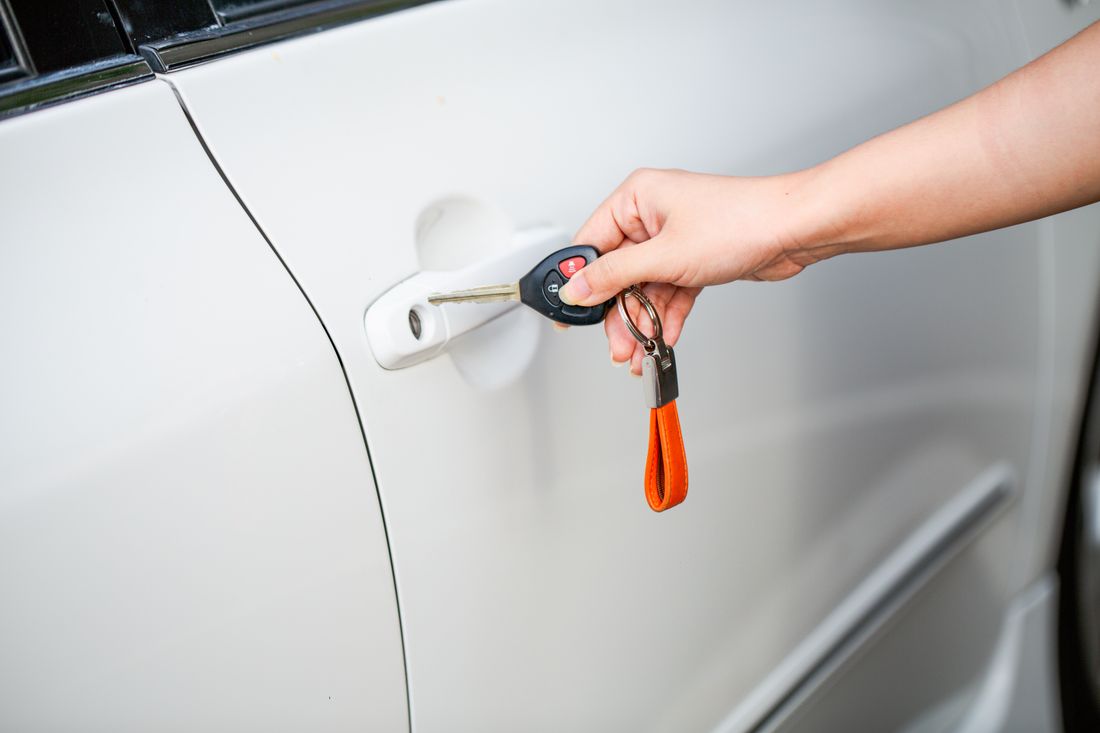
Navigating security challenges within the University community requires a clear understanding of your property's specific needs before seeking a solution. Whether you are addressing an automotive issue, securing your residence, or upgrading business access, proactive assessment is essential. Relying on precise vehicle or hardware data allows for informed decision-making, helping you distinguish between minor mechanical adjustments and necessary system replacements. By prioritizing clarity and technical compatibility, residents and property managers can manage access effectively, ensuring the right steps are taken to maintain site security and function.
A service-area guide, not a separate local office. Confirm availability and arrangements for your location and service needs.
Call (407) 477-5507 · Request service

Automotive access concerns require meticulous attention to the vehicle’s specific generation and starting technology. Whether you face an accidental lockout, require a replacement fob, or need ignition system troubleshooting, understanding the relationship between the hardware and your key system is crucial. Not every vehicle utilizes the same entry protocols or programming requirements. By identifying the exact model year and current ignition state, owners can better evaluate the most reliable service approach, ensuring that any resolution is properly matched to the car's existing security configuration.
Review these procedures to understand how identifying the locking mechanism type helps determine the safest entry method for your specific vehicle model.
Learn why differentiating between basic transponders and proximity fobs is the mandatory first step toward obtaining a functional, compatible replacement key for your car.

Understand why diagnosing the difference between a worn cylinder and internal electrical failure is vital before committing to any repair work on your ignition.

Examine how verifying the current key's wear and security status simplifies the creation of a spare, saving you from future total-loss scenarios.
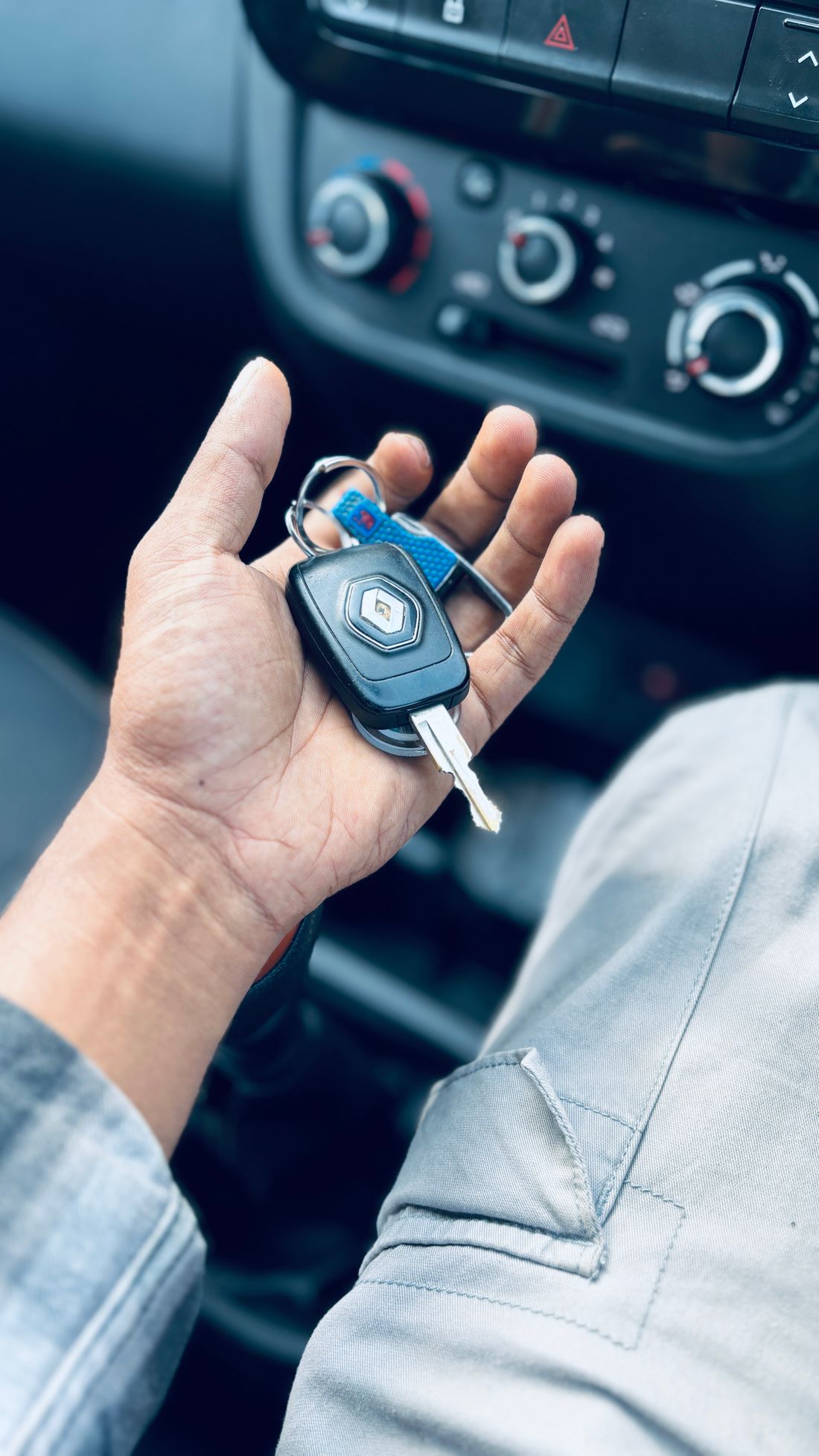
Understand how defining vehicle symptoms guides you toward either a mechanical repair or an electronic programming fix for various common automotive access failures.

Securing a home involves assessing the current condition of hardware rather than assuming total replacement is the only path. When a lock binds or fails to latch, evaluating the door’s alignment and the internal cylinder mechanics can clarify whether a targeted repair or a full update is appropriate. For those concerned about key distribution, rekeying existing cylinders provides a method to reset access without discarding functional components. Careful evaluation of these factors helps homeowners maintain high security standards while avoiding unnecessary changes to their existing hardware.
Consult these insights to learn how authorized residents should document entry issues to determine if the lockout stems from hardware failure or lost keys.
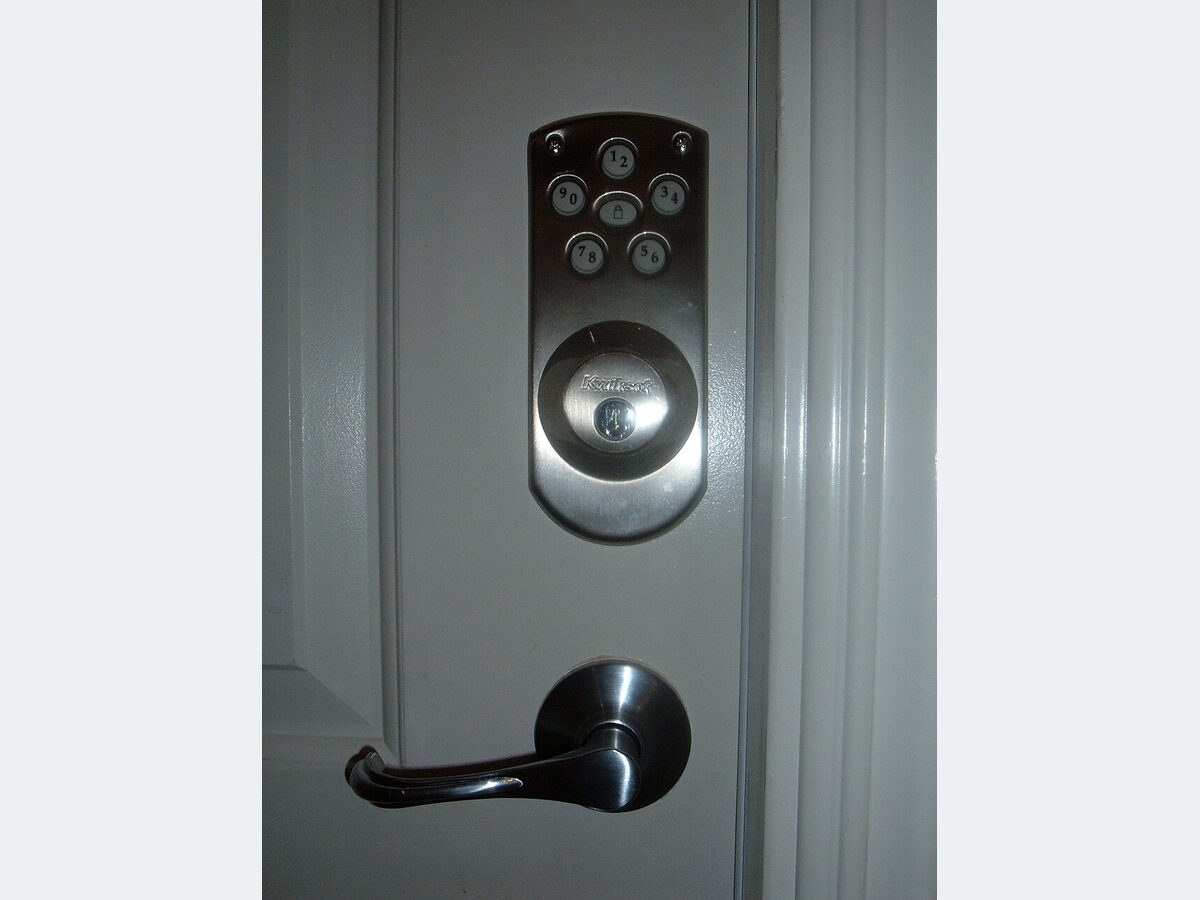
Read this guide to recognize the signs of internal component fatigue, helping you decide whether your door hardware requires precise adjustment or full replacement.

Assess your current hardware's capability for pinning changes, offering a secure, cost-effective alternative to replacing perfectly functional locks when your key access needs change.

Read about the factors that influence whether your home's security is best served by rekeying, repairing, or replacing existing hardware based on door conditions.
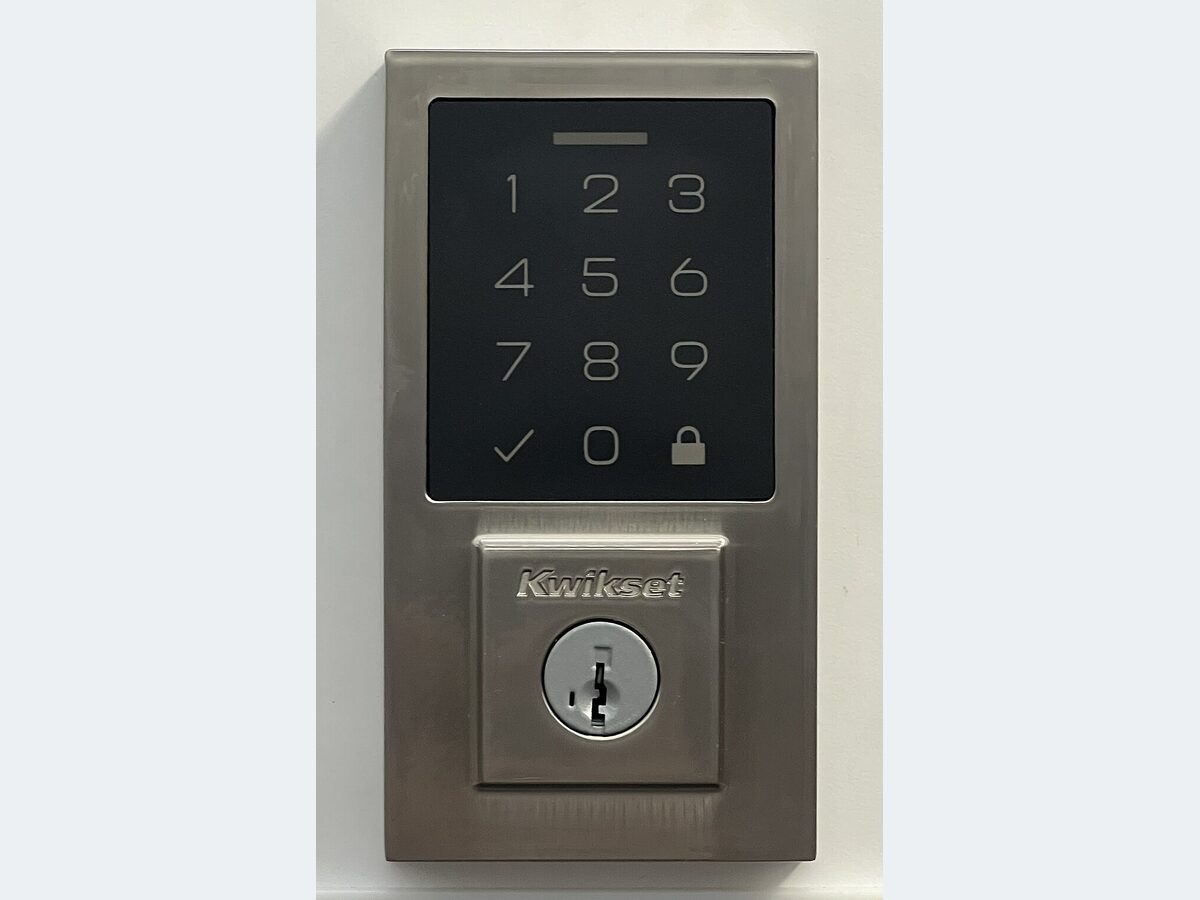
Managing commercial access requires balancing authorized entry with robust, long-term security infrastructure. Business leaders must look beyond simple lock repair, focusing on master key systems and high-security hardware that supports specific operational goals. The key is analyzing which access levels are necessary for different personnel and verifying that existing infrastructure supports these plans. Before committing to upgrades, conducting a thorough review of your premises ensures that chosen solutions address unique security vulnerabilities, provide meaningful key control, and contribute to a more efficient, secure, and manageable facility.
Learn how property managers can structure access control systems that align with internal staff hierarchies while addressing specific facility security vulnerabilities and entrance needs.
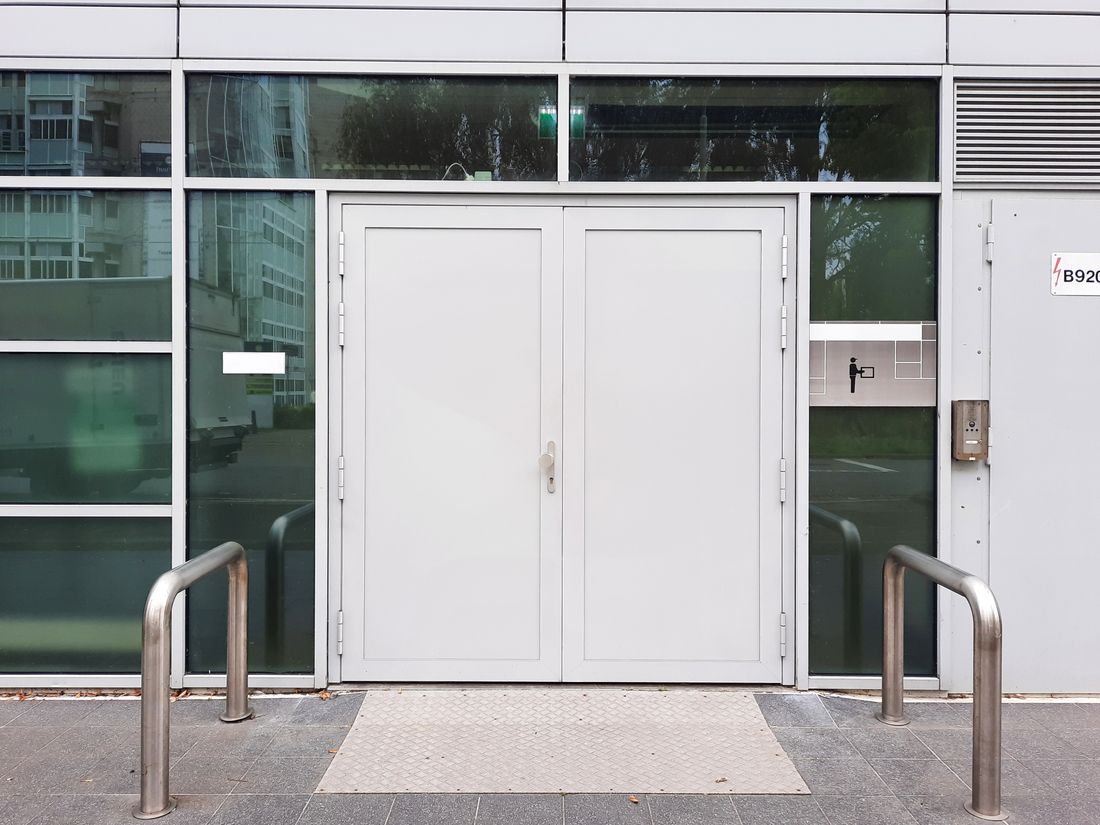
Discover the essential steps for verifying authorization and assessing jammed or faulty business entrances to ensure security integrity during a lockout recovery process.

Explore the logic behind master key hierarchy, helping you decide which personnel require specific access levels before verifying if your cylinders support the system.
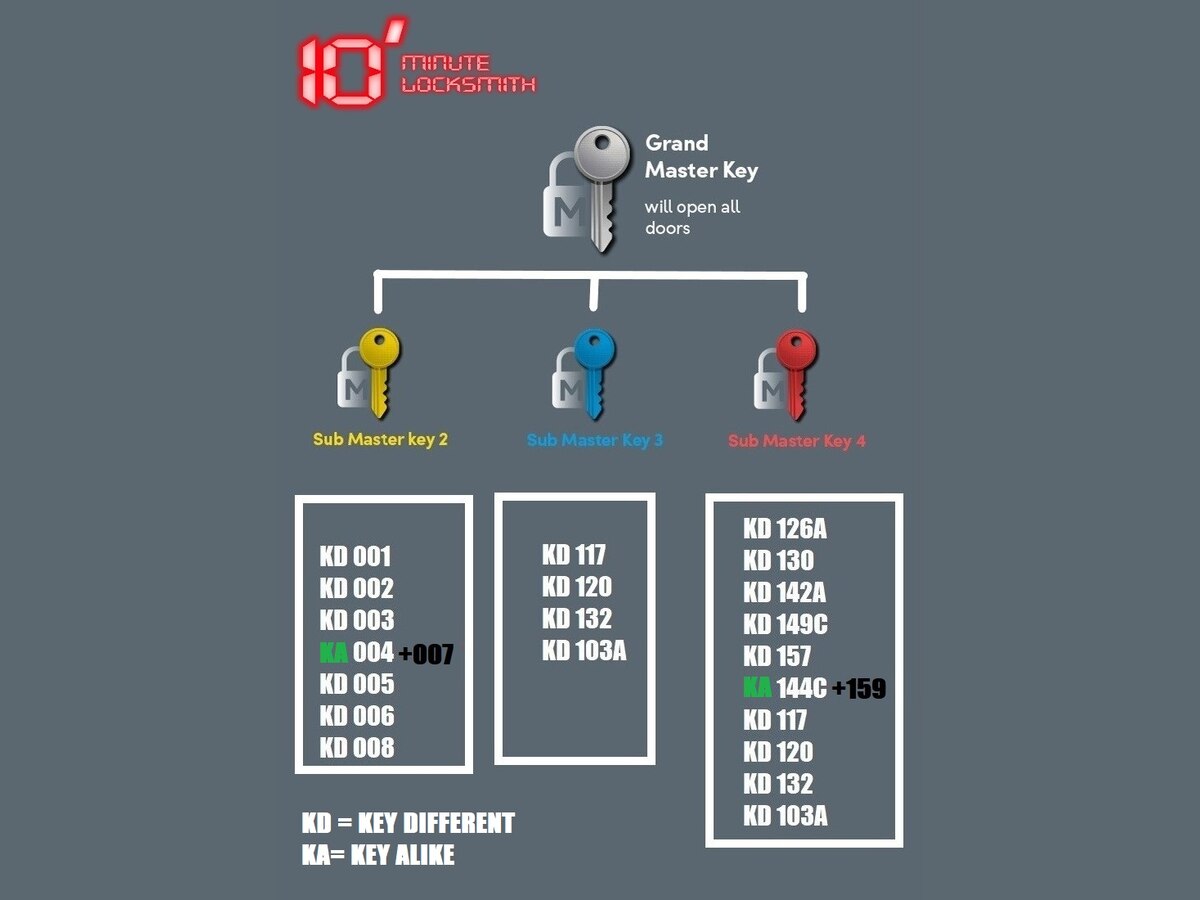
Use this guide to evaluate your facility's unique durability requirements, ensuring a lock upgrade addresses a genuine security flaw rather than just hardware age.
Monday–Saturday, 8am–10pm
No separate University office is listed. Call us at (407) 477-5507 to confirm the proposed work and availability.
All locksmith servicesEffective security planning starts with a systematic audit of your current access points. Before requesting intervention, identify the exact mechanical symptoms or hardware limitations you face. For vehicle owners, this means documenting model-specific starting requirements and current key status. For property managers, it involves mapping out desired access permissions and identifying which physical barriers require upgrades versus simple maintenance. By establishing these technical facts early, you remove guesswork, streamline the assessment process, and ensure that every action taken serves your specific site security goals.
Have identification and proof of authorized access ready. For vehicle work, include the year, make, model, and which key functions still work. For property work, identify the affected doors, permissions, and hardware. Call 911 first if anyone is in immediate danger.