Car Lockout Service
Learn to distinguish between different vehicle entry methods to ensure professional assistance is matched correctly to your specific model’s door-latching and alarm system dynamics.
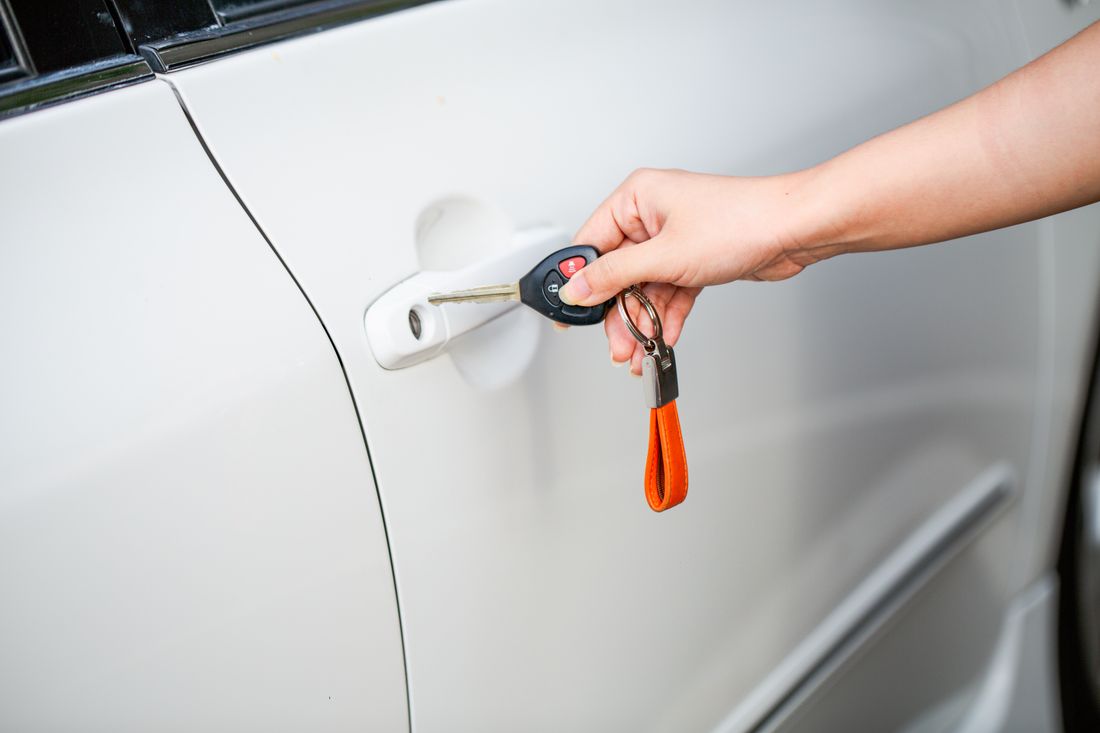
Williamsburg residents and visitors often navigate complex access requirements across varied properties and vehicles. Whether managing a short-term stay or maintaining a personal fleet, understanding the distinction between mechanical keys, electronic cards, and modern keyless systems is critical. This hub provides clarity on how to address access challenges without confusion. By identifying the specific nature of your lock-related concern—from worn ignition hardware to lost electronic credentials—you can better prepare for a professional assessment. We prioritize practical, effective solutions that restore functionality while respecting your existing security architecture.
A service-area guide, not a separate local office. Confirm availability and arrangements for your location and service needs.
Call (407) 477-5507 · Request service
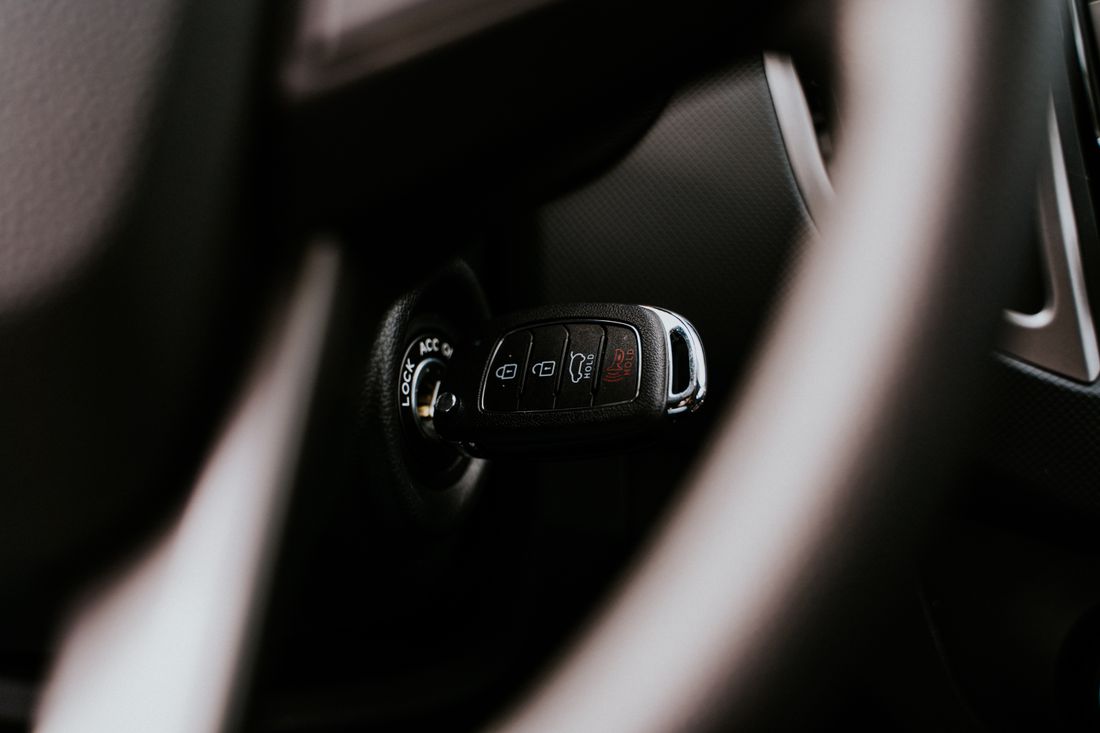
Vehicle access issues frequently stem from a mismatch between older mechanical systems and modern fob-based authorization. A car lockout, an ignition that refuses to turn, or a missing smart remote requires a specific diagnosis of the vehicle's year, model, and anti-theft protocols. Rather than applying universal methods, we examine the current status of your remaining keys and the vehicle's unique communication technology. Identifying these variables early ensures that any replacement key or entry assistance is precisely calibrated to work with your car’s electronic control unit and ignition.
Learn to distinguish between different vehicle entry methods to ensure professional assistance is matched correctly to your specific model’s door-latching and alarm system dynamics.
Discover how the generation of your vehicle dictates whether a physical blade, a transponder chip, or a wireless smart fob is needed for engine ignition.
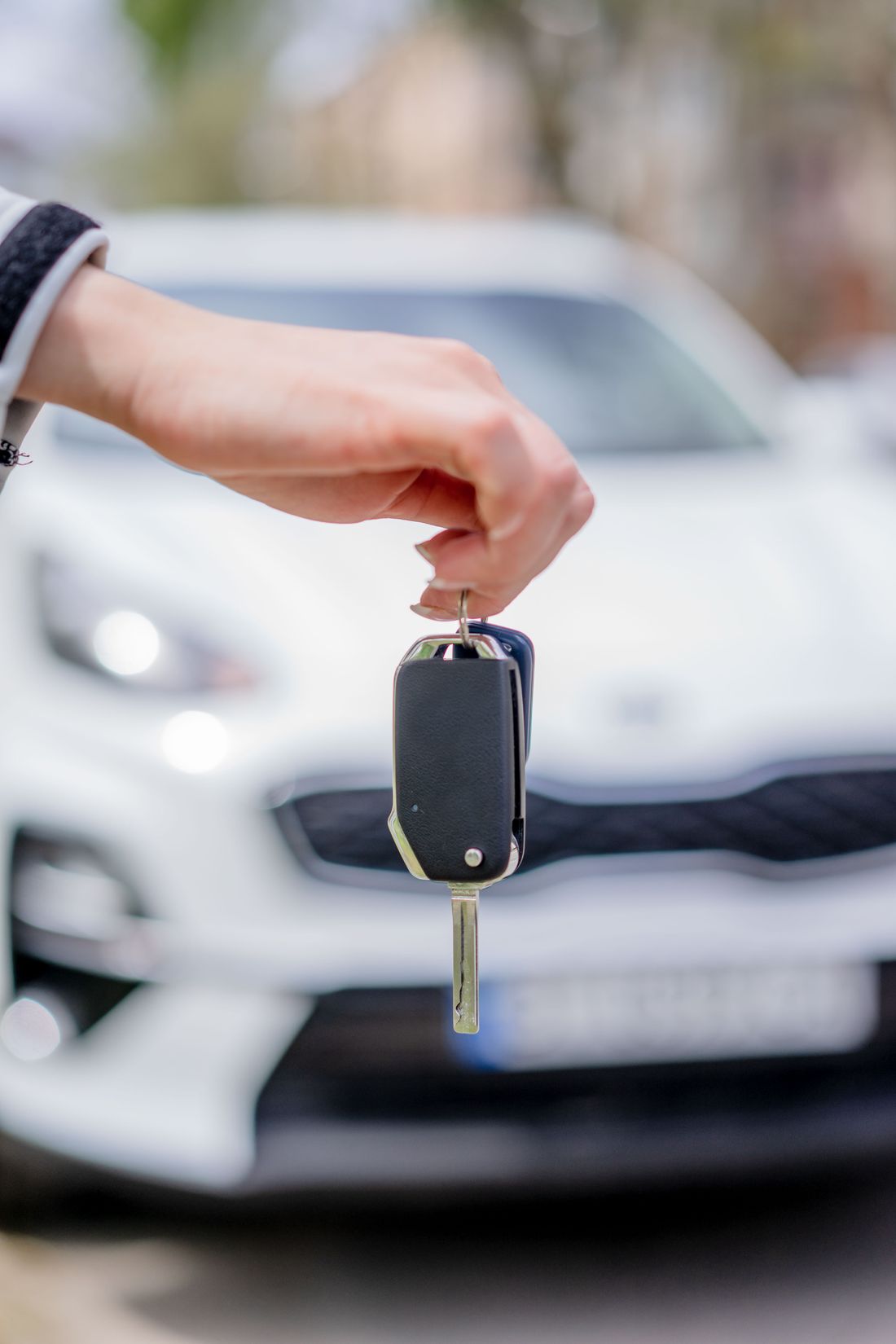
Understand why a simple key-cutting process cannot resolve internal cylinder failure, and how to verify if your ignition mechanism actually requires professional component repair.
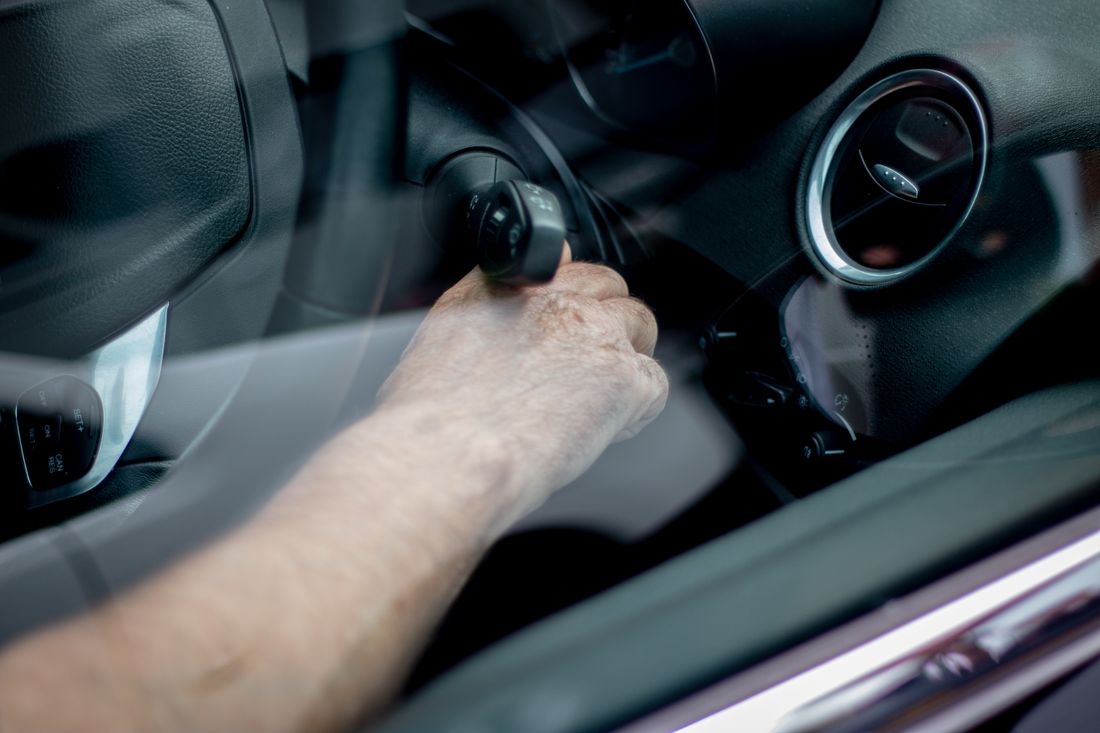
Explore the criteria for successful key replication, focusing on why the physical condition of an original key matters for creating a functional, reliable spare.
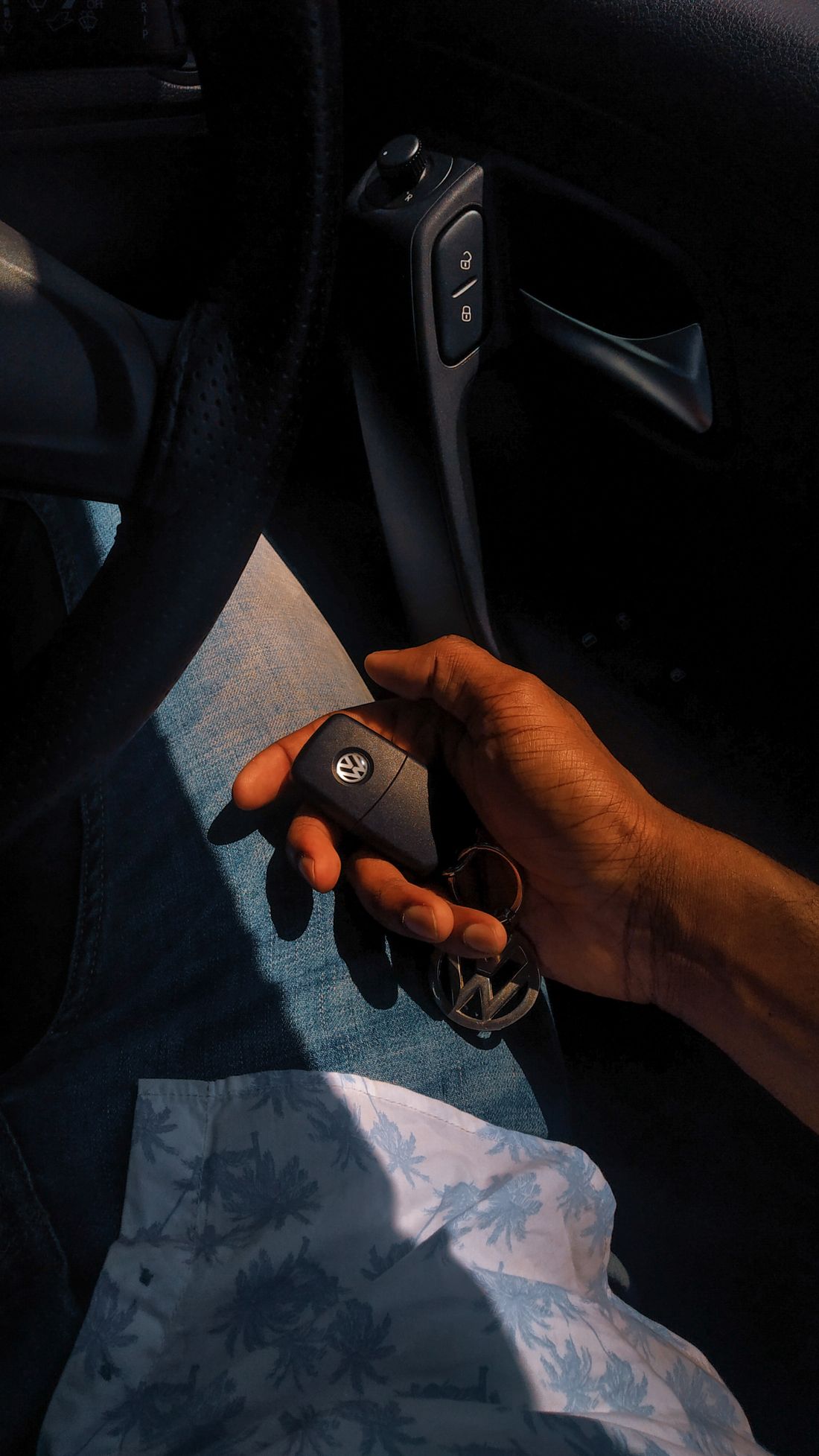
Identify the key questions to ask when diagnosing automotive lock issues, ensuring you can clearly communicate whether the problem is mechanical, electrical, or software-related.
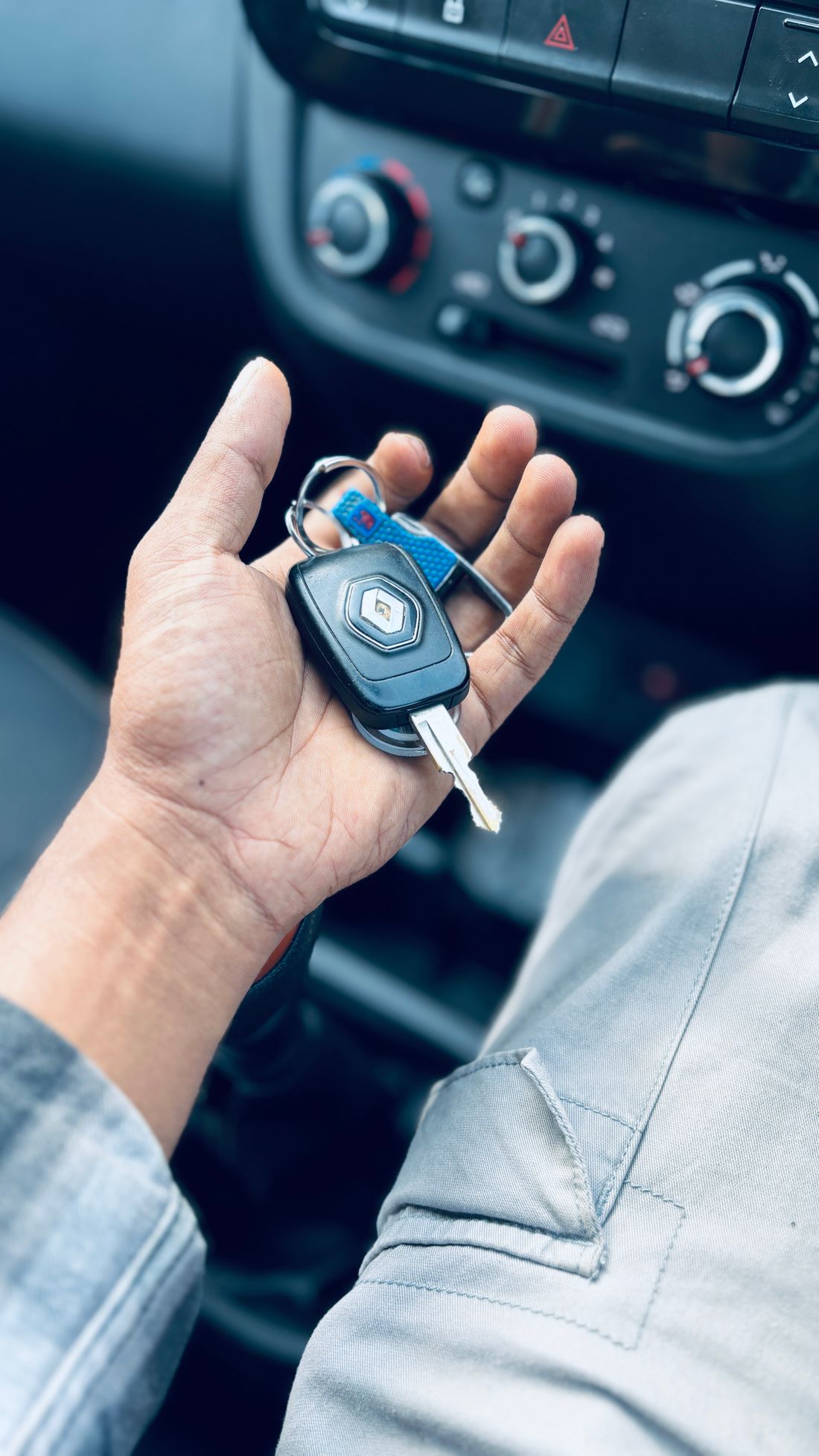
Home security relies on the integrity of your hardware and the precision of your key control. When a lock binds, sticks, or fails to latch, the issue might be a simple alignment problem or a sign of internal component wear. Rekeying allows homeowners to regain control over who enters their premises without the necessity of full hardware removal. We emphasize a diagnostic approach that assesses door mechanics and cylinder status, ensuring that any chosen remedy—repair, replacement, or rekeying—properly restores your home’s security and long-term operational reliability.
Examine how door, frame, and hardware types influence the professional assessment of home entry, helping you provide the necessary information for a swift resolution.
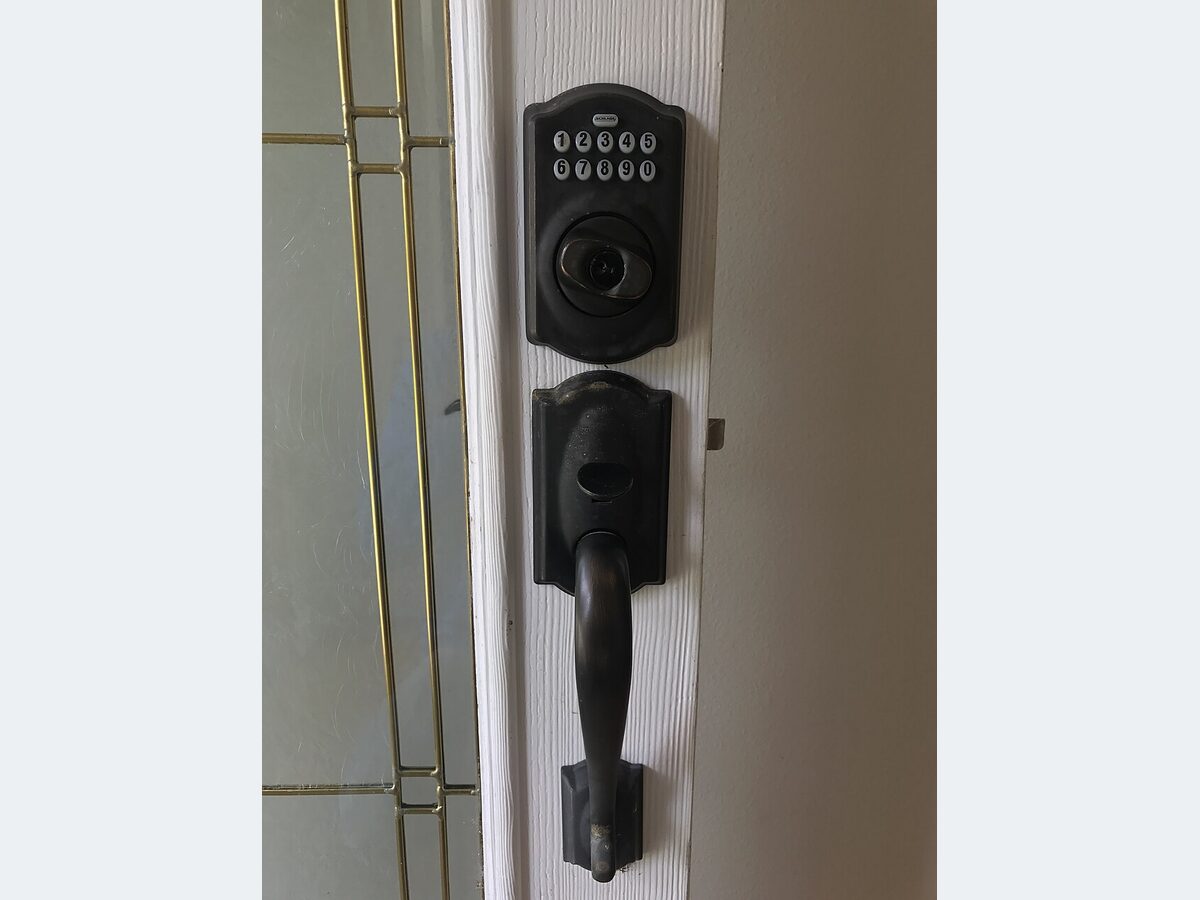
Identify the signs of mechanical fatigue in residential locks to determine when a simple repair restores function versus when total hardware replacement becomes necessary.
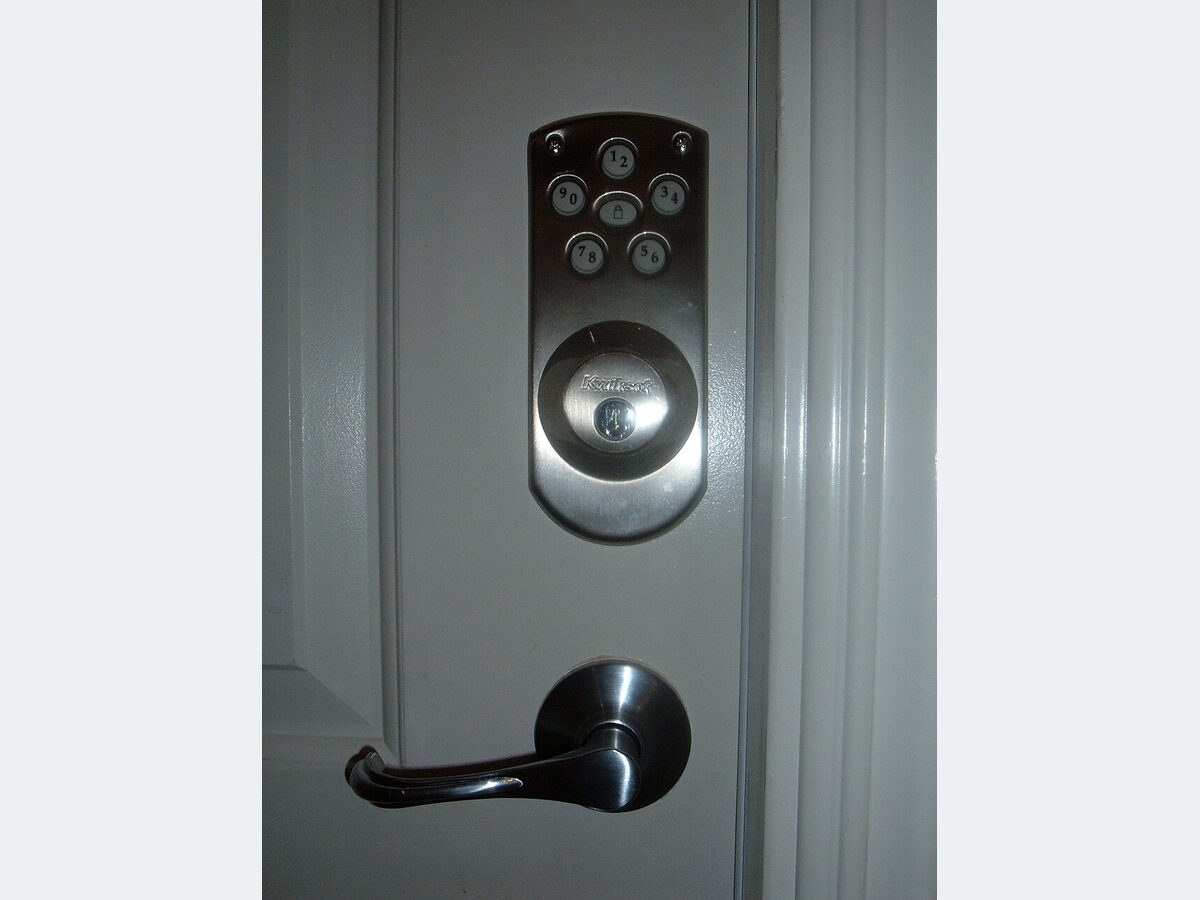
Determine if your existing deadbolts and knobs support pin-tumbler changes, a process that secures your home while leaving the exterior aesthetic and hardware entirely unchanged.
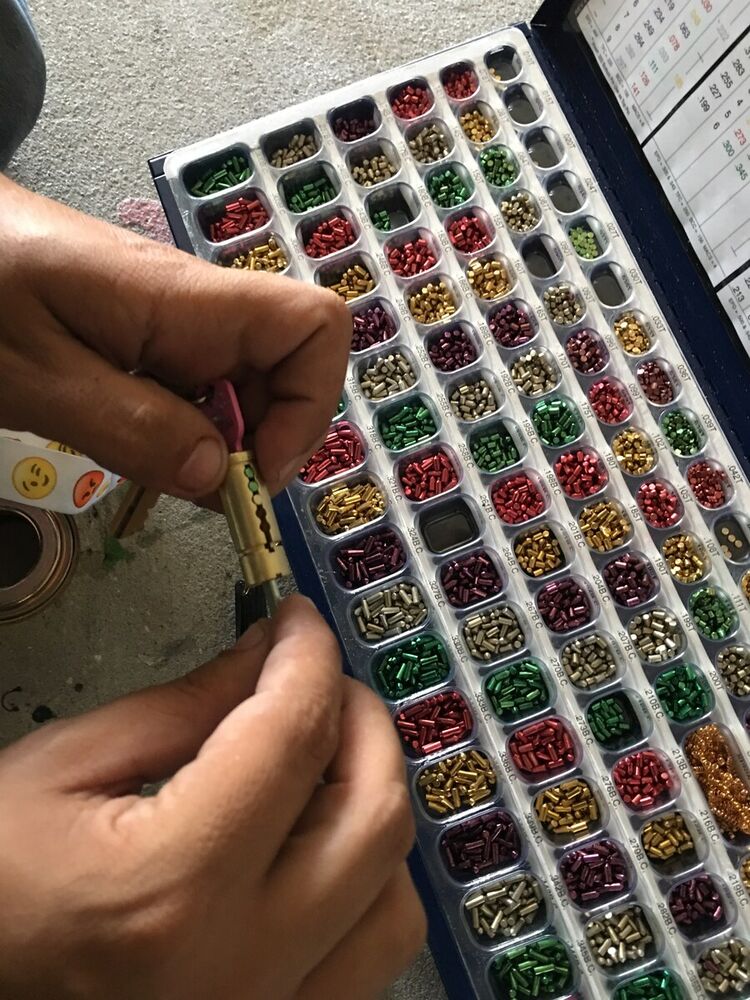
Learn the systematic approach to upgrading home security, from evaluating entry-point vulnerabilities to choosing hardware that integrates with your existing home architecture and style.

Managing business access requires a strategic inventory of your entry points and user permissions. Whether your facility utilizes high-security deadbolts, master key hierarchies, or standard office locks, the primary objective is balancing convenience with strictly controlled access. A lockout or a hardware failure disrupts operations, necessitating a prompt evaluation of the affected door and its specific locking mechanisms. We help decision-makers navigate these demands by identifying which systems are suited for modernization, expansion, or repair based on the actual traffic requirements of the individual commercial space.
Review the best practices for conducting a property security audit, ensuring your business access infrastructure remains consistent with your current staff and visitor volume.

Understand the documentation required by property managers to authorize professional entry, ensuring staff downtime is minimized through efficient, verified access protocols for corporate facilities.
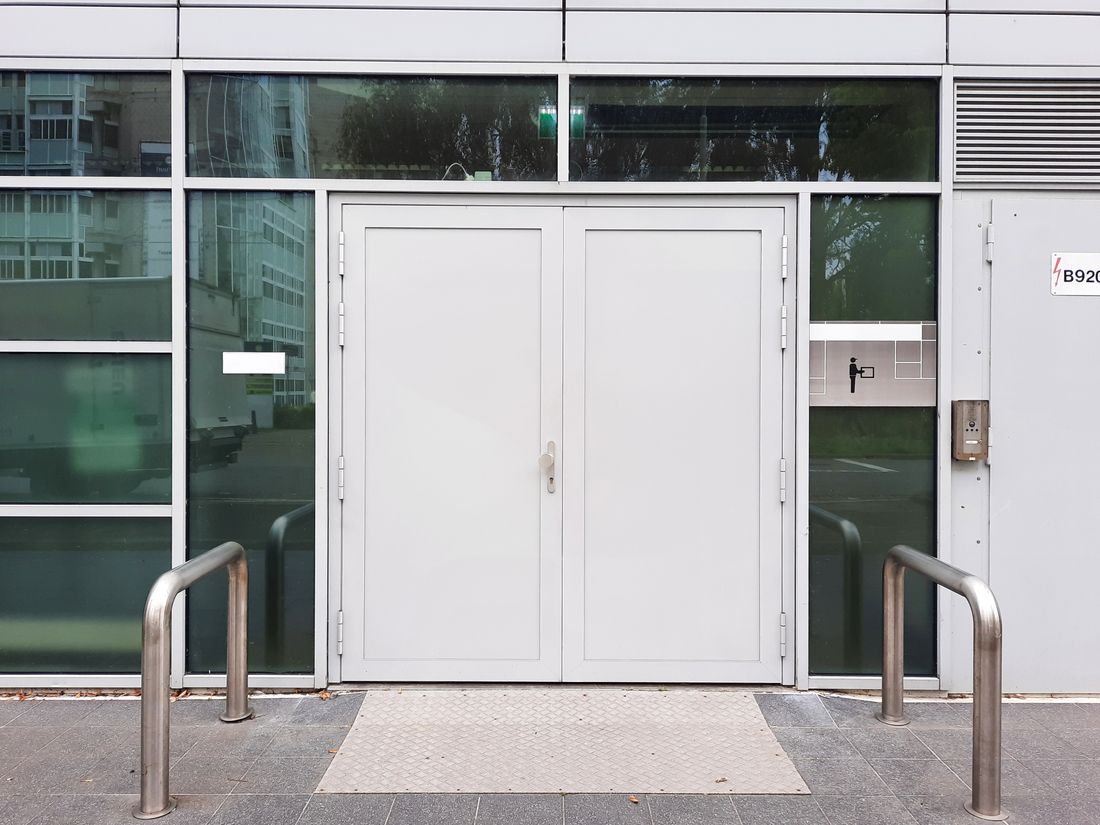
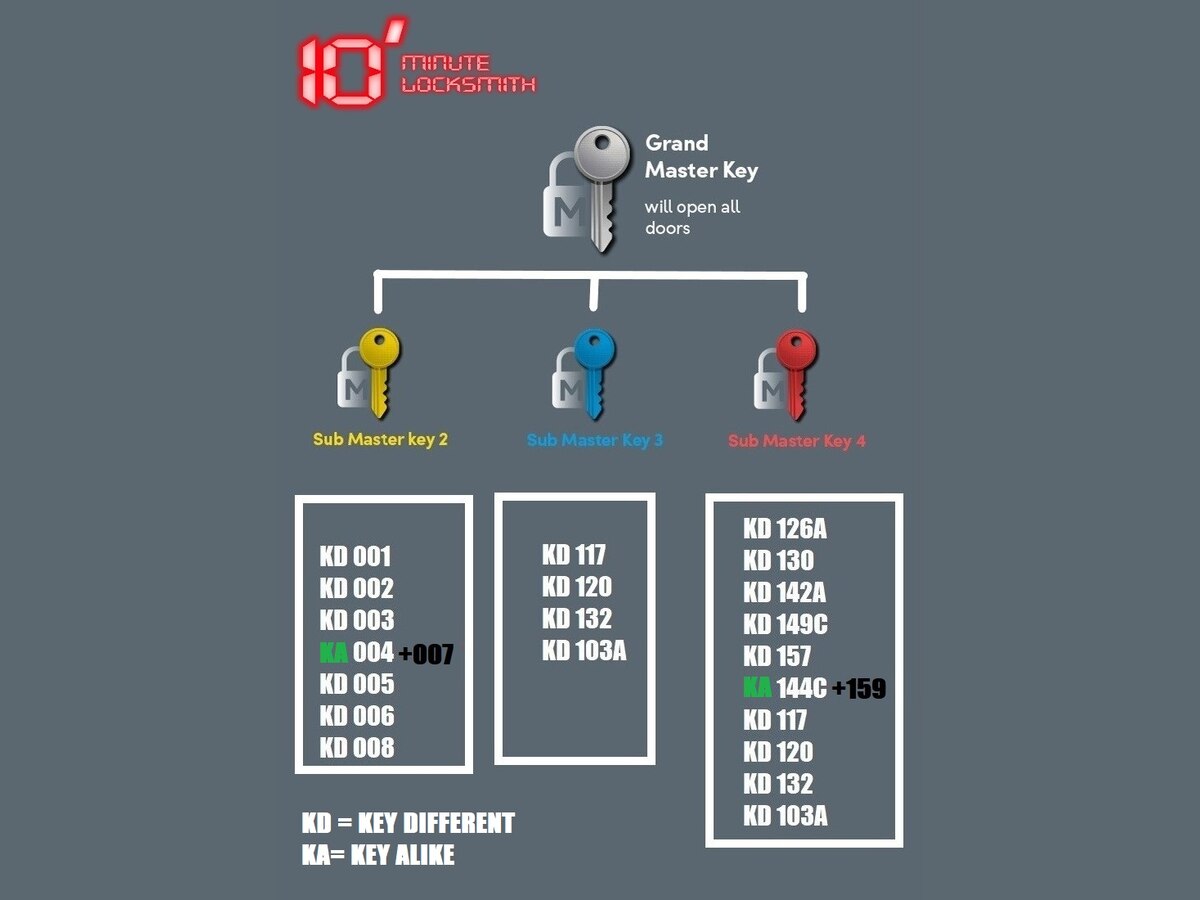
Learn the structural requirements for implementing a master-keyed hierarchy, focusing on how different cylinder types support varied access levels across your entire business floor plan.
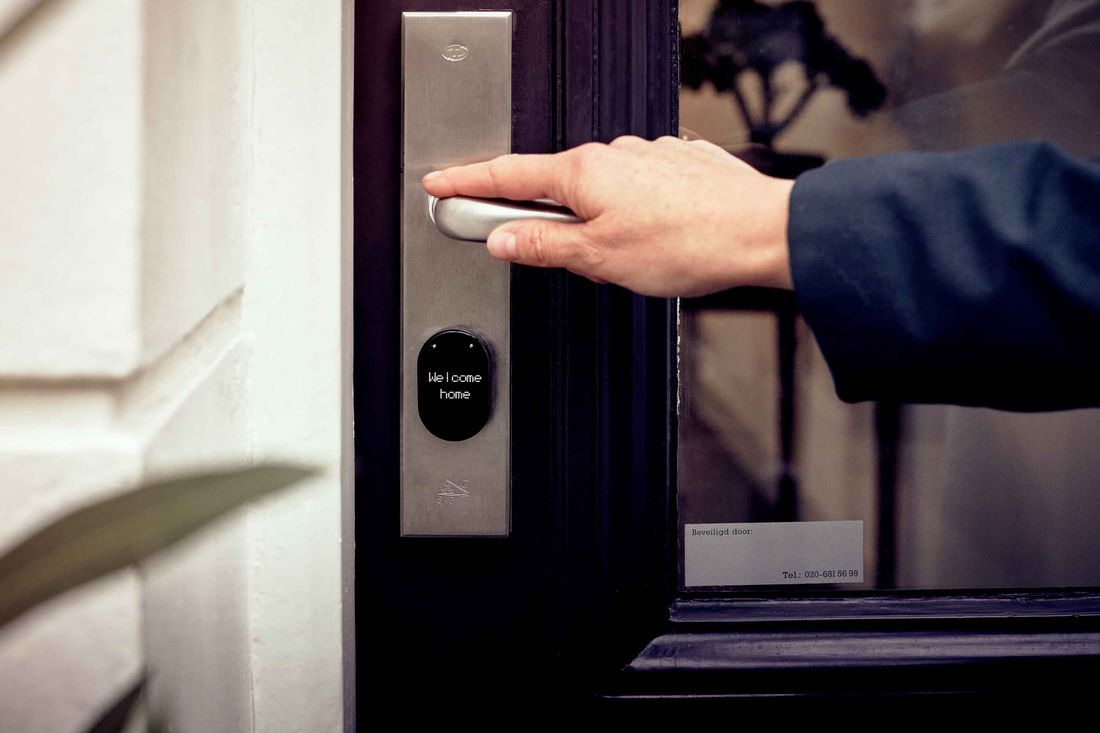
Assess the performance indicators of high-security hardware, such as drill resistance and patented key control, to justify upgrading specific high-traffic or sensitive office doors.
Monday–Saturday, 8am–10pm
No separate Williamsburg office is listed. Call us at (407) 477-5507 to confirm the proposed work and availability.
All locksmith servicesEffective security planning starts with a thorough inventory of your current access points and the credentials required to engage them. Before committing to a service, document the make and generation of your locks or the specific year and model of your vehicle. Confirm whether you possess secondary copies or master credentials, as these factors fundamentally alter the complexity of the task. Regularly testing your hardware for signs of friction or resistance allows you to address potential failures early, ensuring your site or vehicle remains secure.
Have identification and proof of authorized access ready. For vehicle work, include the year, make, model, and which key functions still work. For property work, identify the affected doors, permissions, and hardware. Call 911 first if anyone is in immediate danger.